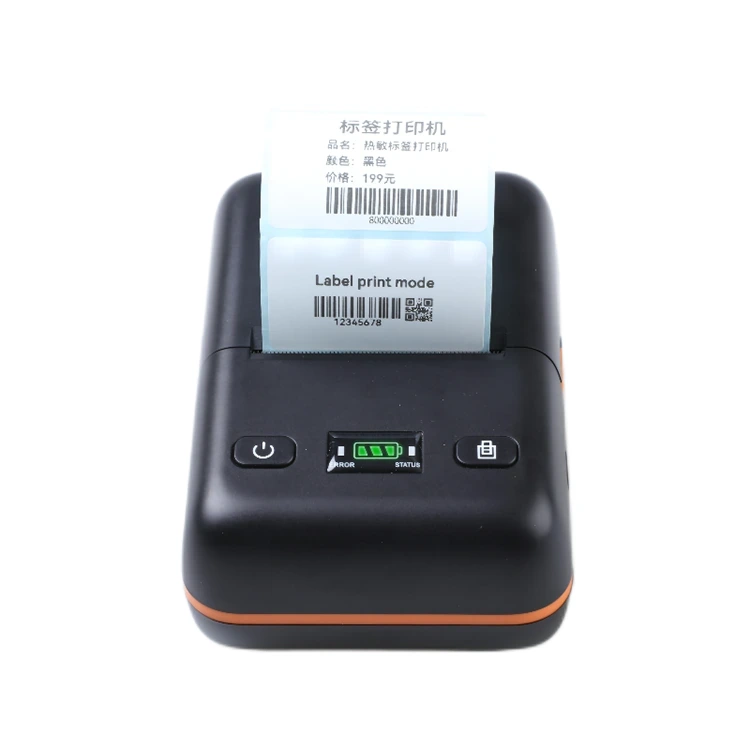
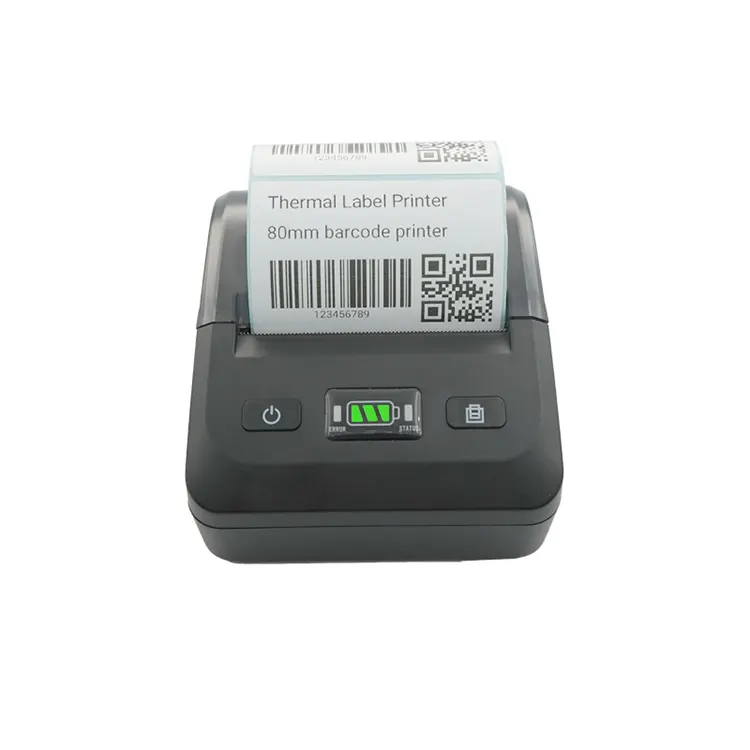
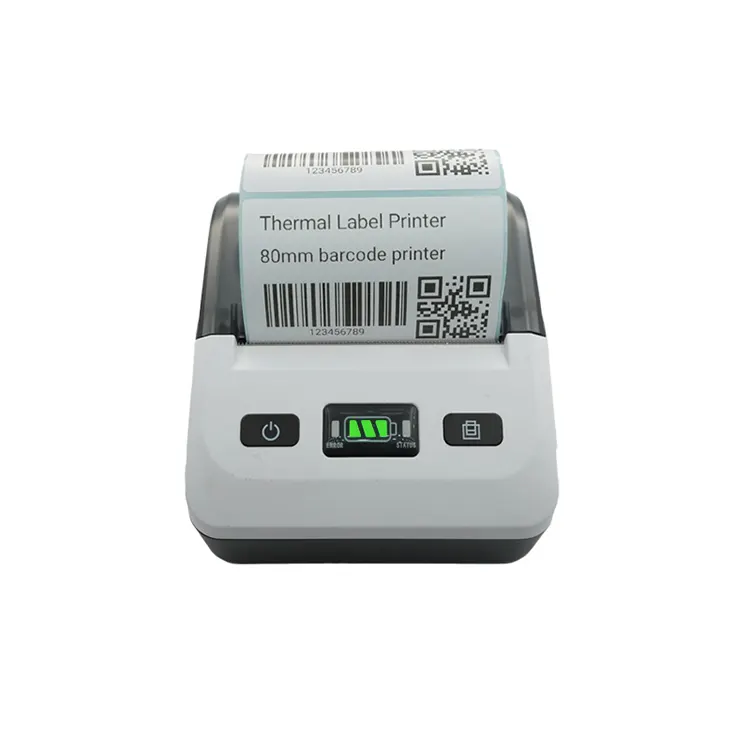
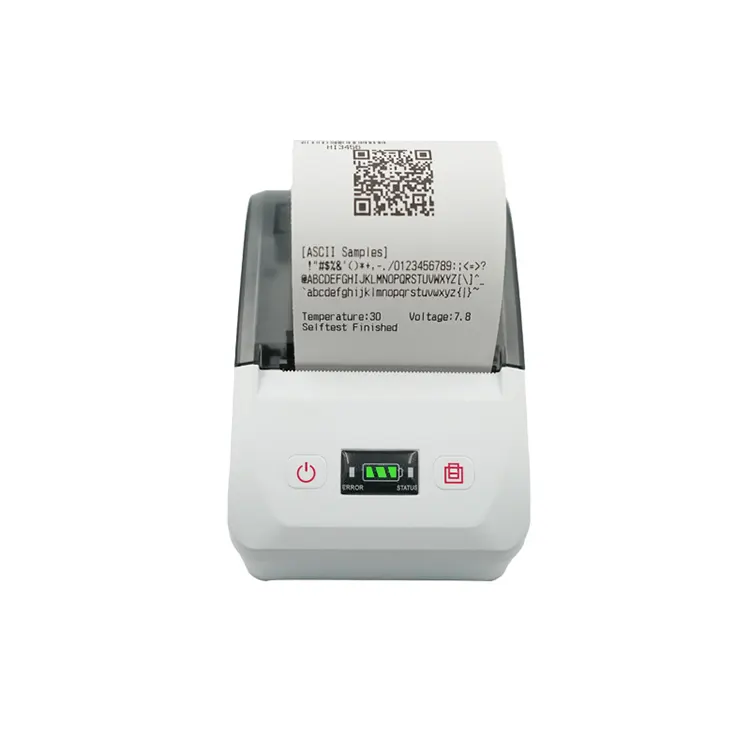
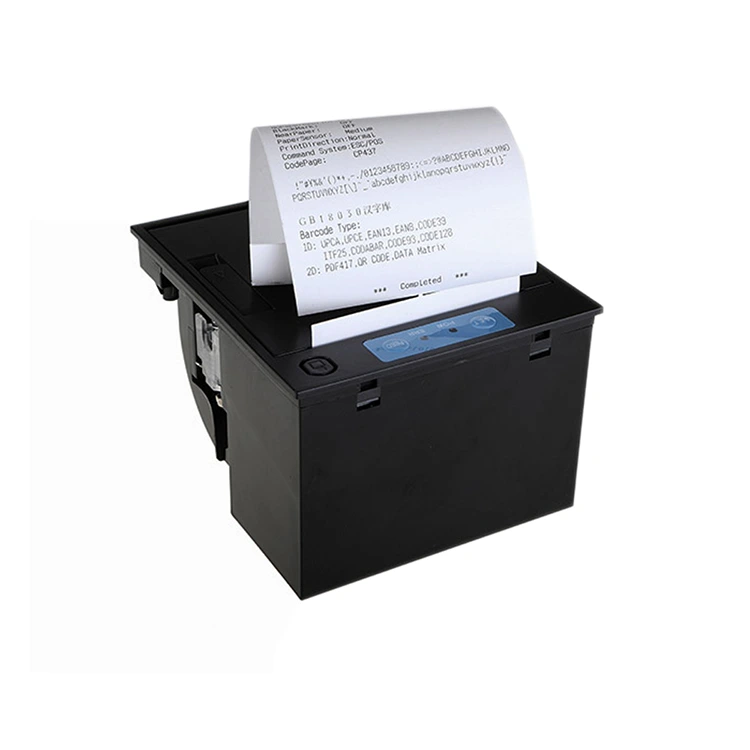
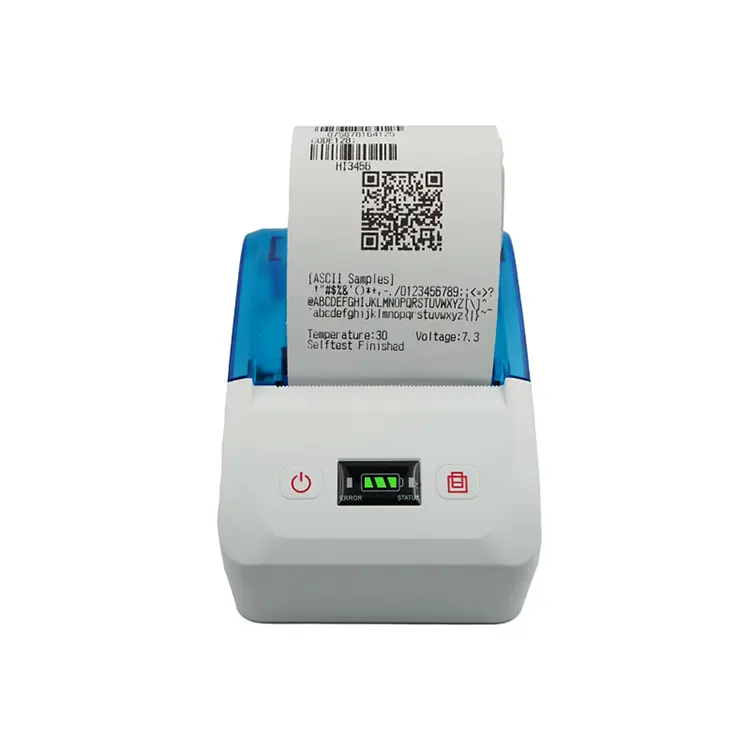
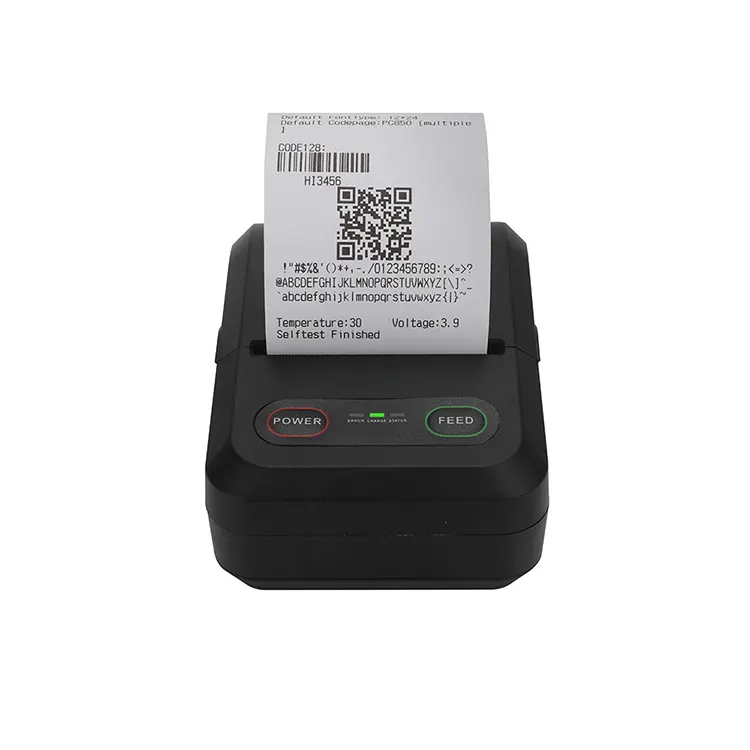
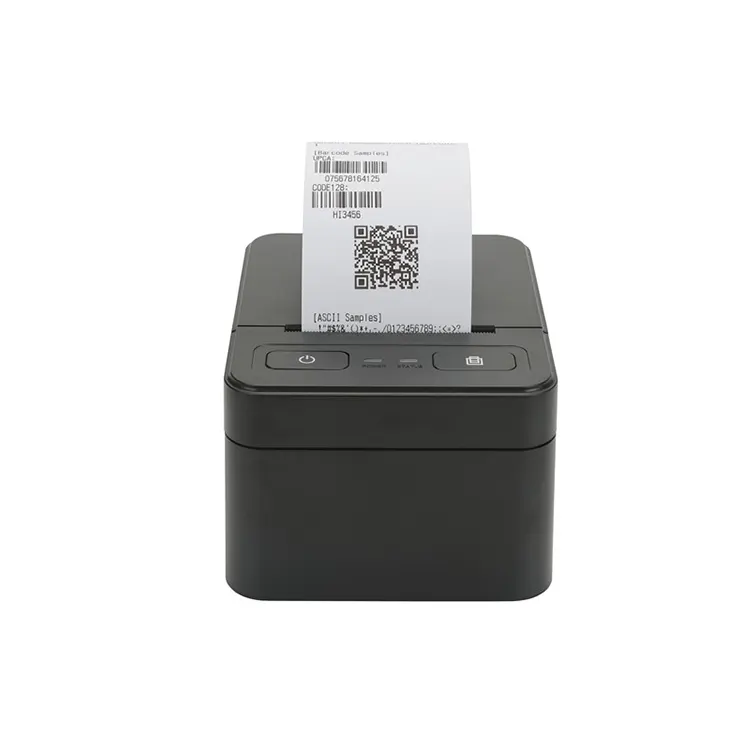
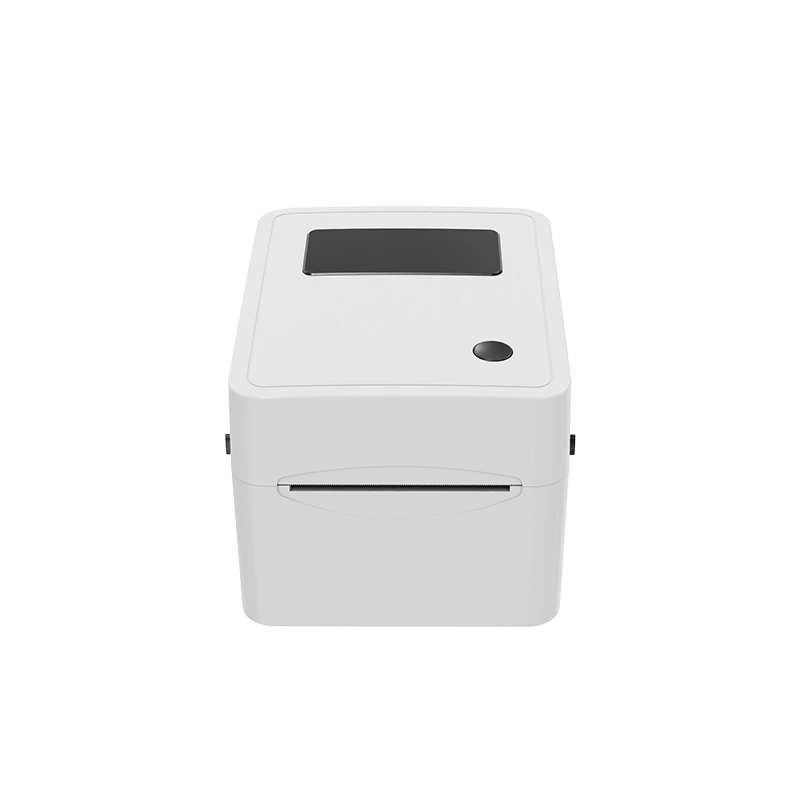
Peite (Xiamen Peite Electronic Technology Co., Ltd.) is a factory and manufacturer of thermal label printers. It has a 1,800-square-meter factory and warehouse, with a monthly production capacity of 10,000 to 20,000 units, which are sold to Southeast Asia, Europe, America, the Middle East, India and other countries.
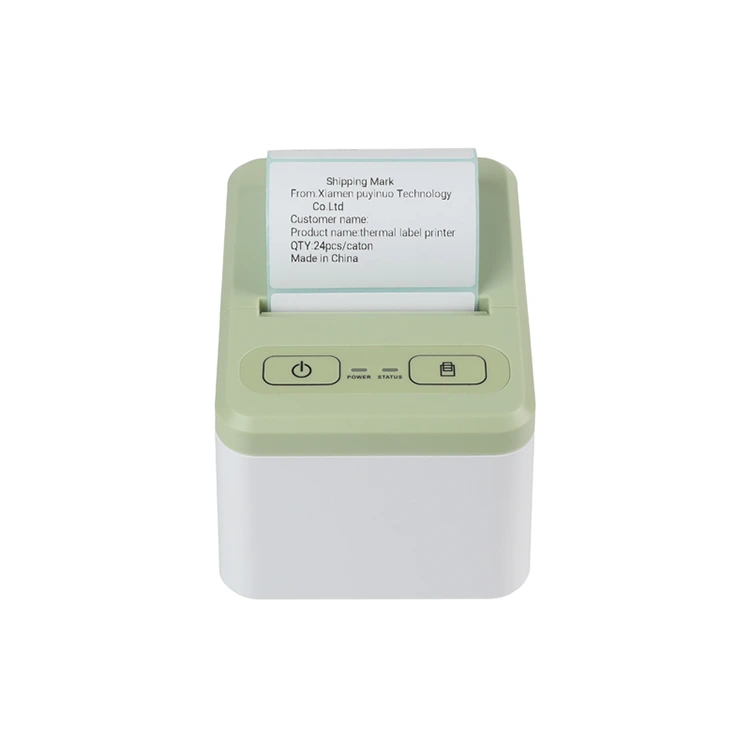
Product Specifications
|
Printing Method
|
thermal line printing
|
|
Printing Speed
|
90mm/s
|
|
Print columns
|
384dots/lines
|
|
Character Set
|
ANK character Font A:12*24dots; Font B:9*17dots; Jan/traditional form:24*24dots
|
|
Barcode type
|
UPC-A/UPC-E/JAN13(EAN13)/JAN8(EAN8)/CODE39/ITF/CODABAR/CODE93/CODE128
|
|
Auto-cutter
|
NO
|
|
Interface
|
USB+cashbox+Mullti-Bluetooth
|
|
Power
|
DC 9V/2A
|
|
Cashbox control
|
DC 9V/12V -1A
|
|
Printing command
|
Compatible with TSC/CPCL command set
|
|
Paper Width
|
80mm
|
|
Temperature:
|
0~45ºC
|
|
Dampness:
|
10~80%
|
|
Drivers:
|
Win9X/WinME/Win2000/WinNT/WinXP/Vista, compatible with EPSON, SAMSUNG
|
|
Line space
|
3.75mm(Can adjust the command)
|
|
RIBUF
|
no
|
|
NV flash memory
|
no
|
|
(MCBF)
|
50KM
|
What is the thermal label printers?
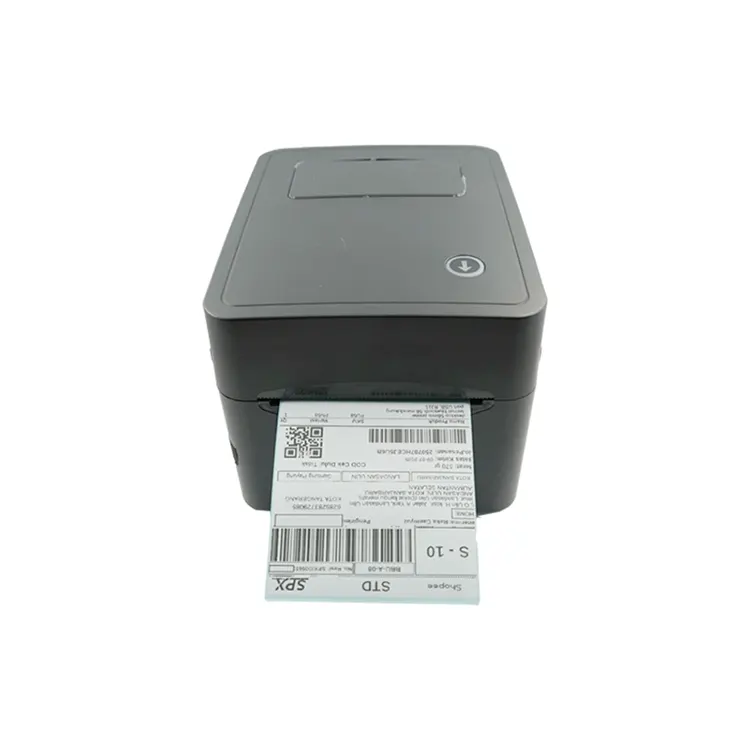
Thermal label printers are divided into 58mm thermal label printers and 80mm thermal label printers. They are mainly used to print price tags, barcode labels, shipping marks, transportation labels, etc., and can support printing widths ranging from 20 to 80mm. Moreover, this type of printer does not require ink, carbon cartridges or other consumables. It only needs thermal paper. The printing principle is that the printer generates images, text, etc. through heating.
What is the difference between thermal label printer and thermal receipt printer?
The thermal receipt printer is compatible with the POS/ESC instruction set and is mainly used to print 58mm and 80mm tickets, bills, and receipts. It is applied in retail stores, supermarkets, hospitals, pharmacies, etc.
Thermal label printers are compatible with the TSC/CPCL instruction set and are mainly used to print 58mm and 80mm labels,price tags,shipping marks, and shipping labels. They are generally used in warehouses, logistics, e-commerce, etc.