News

News

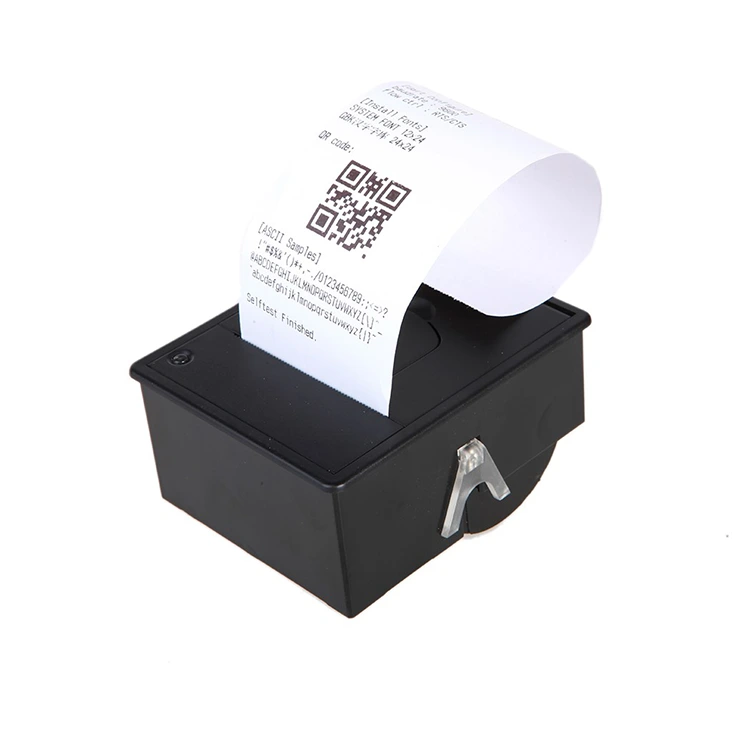
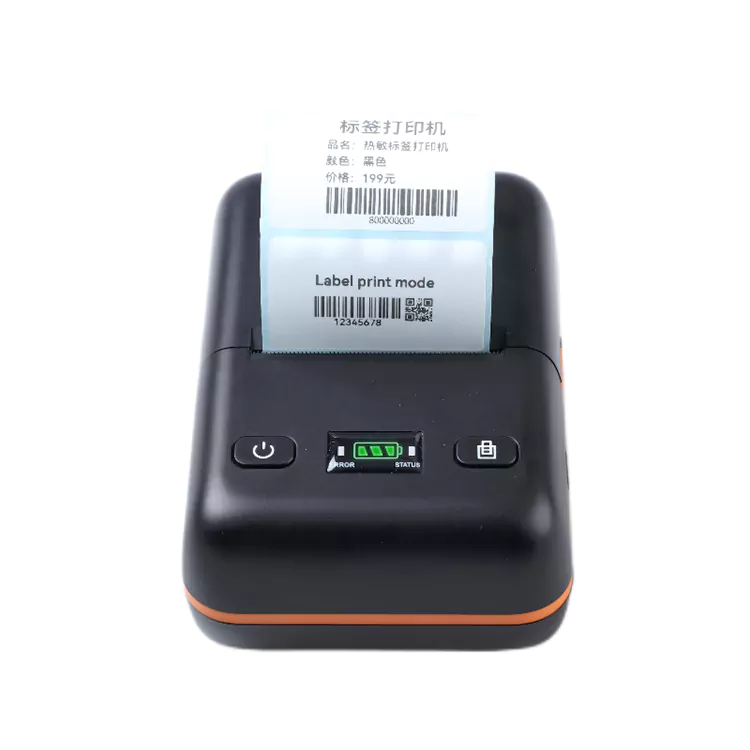
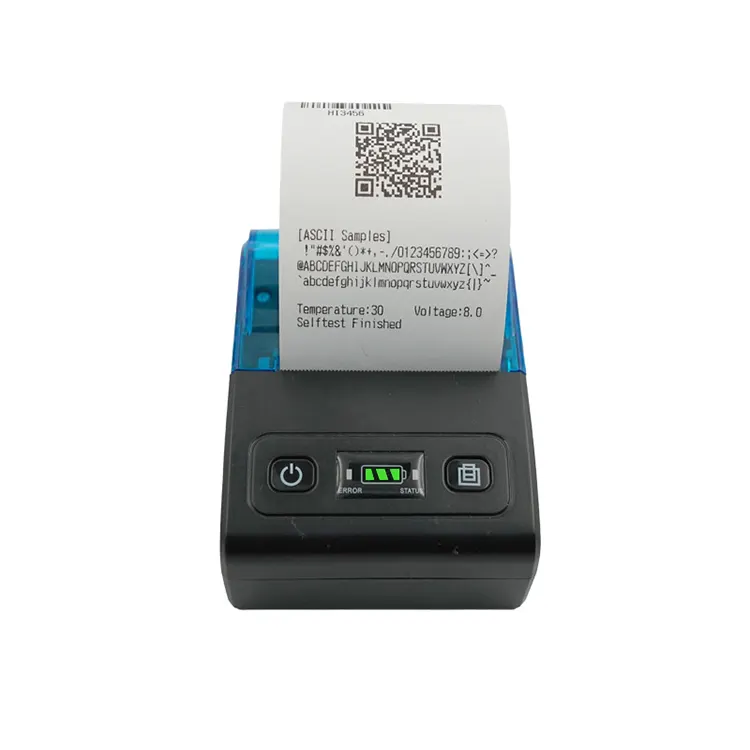
How Does a Thermal Receipt Printer Work?

2025-09-09 0 Leave me a message

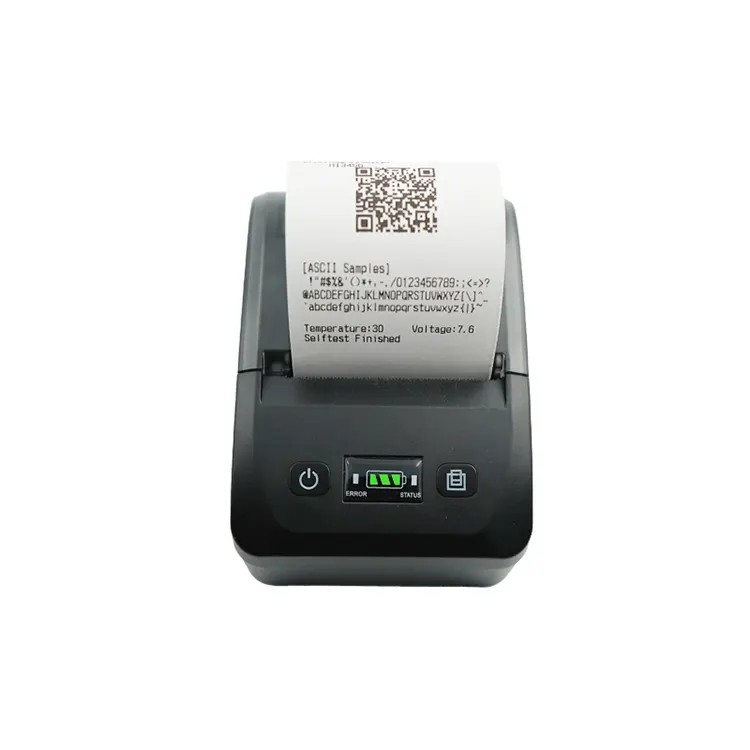
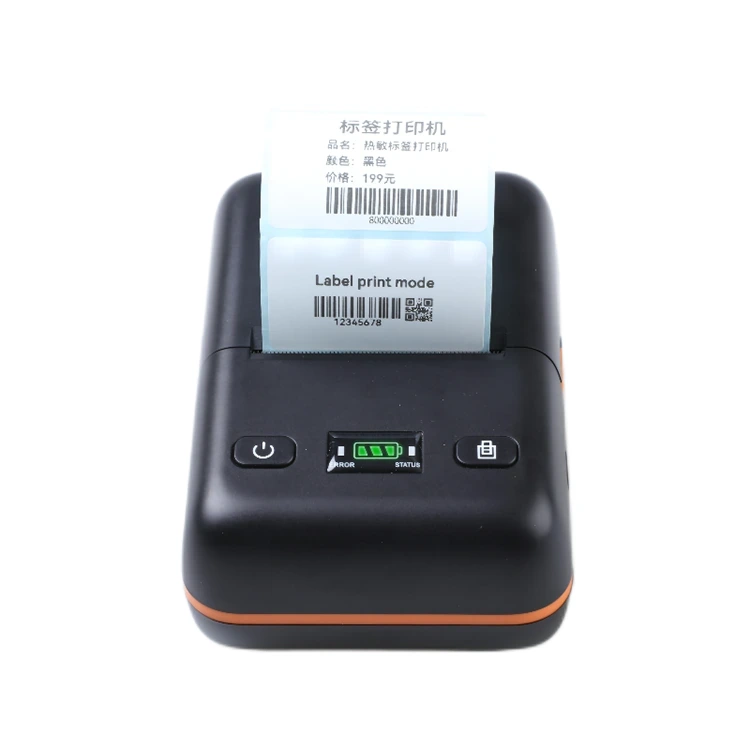
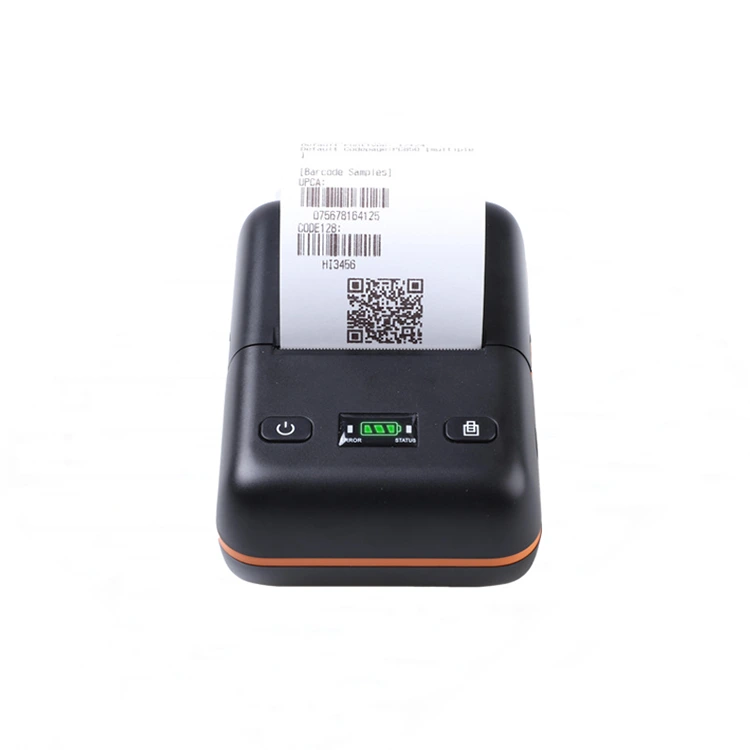
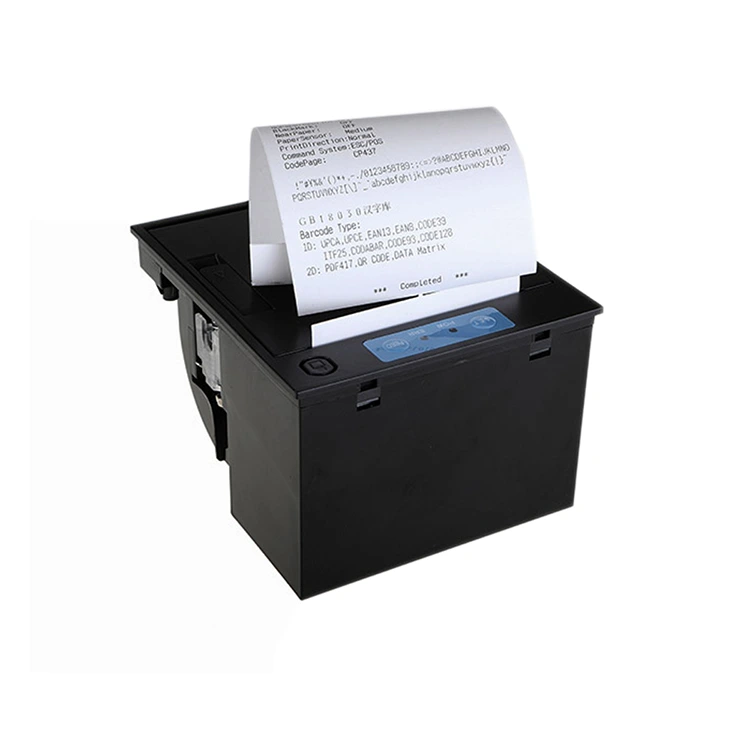
Thermal receipt printers are essential devices in retail, hospitality, and other industries where fast, reliable receipt printing is required. Unlike traditional printers that use ink or toner, these printers utilize heat to produce images and text on specially coated paper. This technology not only simplifies maintenance but also enhances printing speed and efficiency. Let’s break down how a thermal receipt printer operates and explore the key features that make it a preferred choice for businesses.

How It Works

A thermal receipt printer relies on two main components: a thermal print head and thermal paper. The thermal paper is coated with a heat-sensitive layer containing chemicals that change color when exposed to high temperatures. When data is sent to the printer, the thermal print head heats up selectively in tiny dots corresponding to the text or image being printed. As the paper passes over the heated print head, the coated areas darken, creating clear, smudge-proof receipts without the need for ink cartridges or ribbons.

There are two types of thermal printing methods:

  1. Direct Thermal Printing: Ideal for short-term receipts, such as those used in point-of-sale systems. The print fades over time when exposed to heat, light, or friction.

  2. Thermal Transfer Printing: Uses a heated ribbon to transfer ink onto standard paper, resulting in more durable prints suitable for labeling or long-term documentation.

Both methods are energy-efficient, quiet, and require minimal moving parts, reducing the likelihood of mechanical failures.

Thermal Receipt Printer

Key Product Parameters

To help you understand the capabilities of a modern thermal receipt printer, here are the critical specifications presented in a detailed list and table format:

Key Features:

  • Printing Method: Direct thermal or thermal transfer

  • Print Speed: Measured in millimeters per second (mm/s)

  • Resolution: Dots per inch (DPI) determining print clarity

  • Paper Width: Commonly 58mm or 80mm

  • Connectivity: USB, Ethernet, Bluetooth, or serial ports

  • Duty Cycle: The number of prints per day for optimal performance

Product Specifications Table:

Parameter Specification Range Common Use Cases
Printing Speed 100-300 mm/s Retail, restaurants
Resolution 203 DPI, 300 DPI Detailed graphics
Paper Width 58mm, 80mm Compact and standard tills
Connectivity Options USB, Ethernet, Bluetooth Versatile integration
Duty Cycle Up to 10,000 lines per day High-volume environments

Why Choose a Thermal Receipt Printer?

A thermal receipt printer offers numerous advantages, including lower operational costs due to the absence of ink, reduced noise levels, and faster printing speeds compared to conventional printers. Its simplicity in design translates to fewer maintenance issues, making it a reliable workhorse for businesses of all sizes. Whether you run a busy retail store or a cozy café, investing in a high-quality thermal receipt printer can streamline your operations and improve customer service.

If you are very interested in Peite's products or have any questions, please feel free to contact us.

Related News
Leave me a message
X
We use cookies to offer you a better browsing experience, analyze site traffic and personalize content. By using this site, you agree to our use of cookies. Privacy Policy
Reject Accept