News

News

Why Is Thermal Printing More Efficient Than Inkjet?

2026-10-20 0 Leave me a message

A retail chain operations manager is reviewing the cost of running 200 point-of-sale stations across 40 stores. The current inkjet printers are consuming cartridges at an alarming rate, and the maintenance calls for clogged nozzles and smeared receipts are a constant drain on resources. A colleague suggests switching to Thermal Receipt Printers. The manager is skeptical: thermal printers seem like a step backward, with their plain paper rolls and lack of color. But after a trial in five stores, the results are clear. The thermal printers have no ink cartridges, no clogged nozzles, and no smeared receipts. The cost per receipt has dropped by more than half, and the maintenance calls have virtually stopped. This is the reality of thermal printing efficiency.


This guide is written for procurement managers, IT directors, and operations leaders who are evaluating printing solutions for retail, hospitality, logistics, or healthcare. We will compare thermal printing and inkjet printing across the factors that matter most for operational efficiency: consumables, maintenance, speed, reliability, and total cost of ownership. We will explain why thermal printing is more efficient, where inkjet still has advantages, and how to select the right Thermal Receipt Printer for your application. We will also provide detailed product parameters from our factory at Xiamen Peite Electronic Technology Co., Ltd. Whether you are upgrading a single store or a national fleet, this guide will help you make an informed decision.

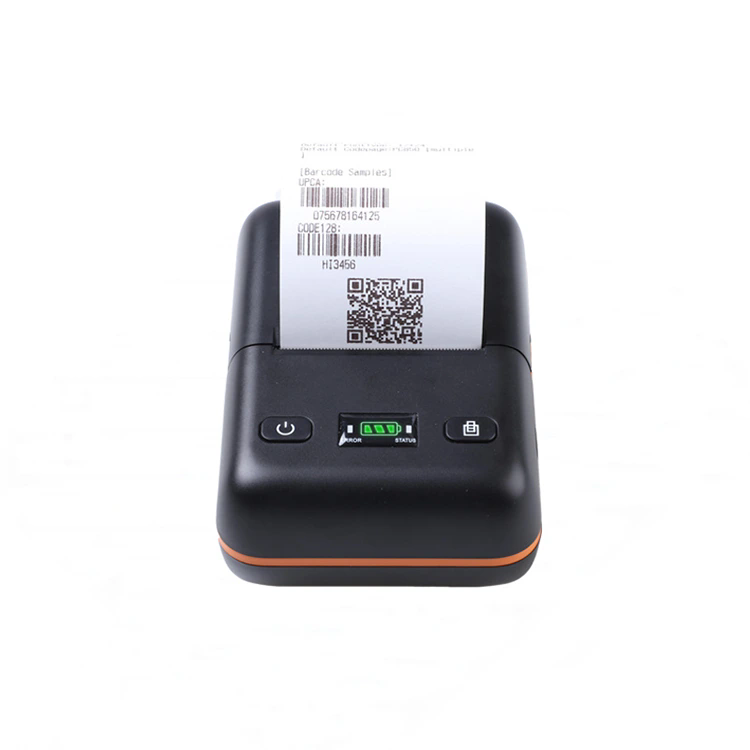
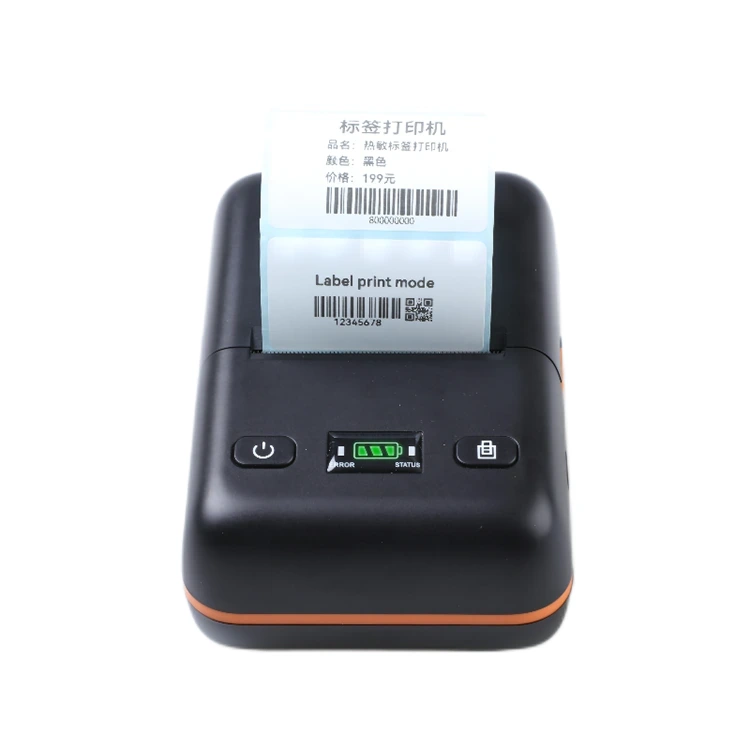
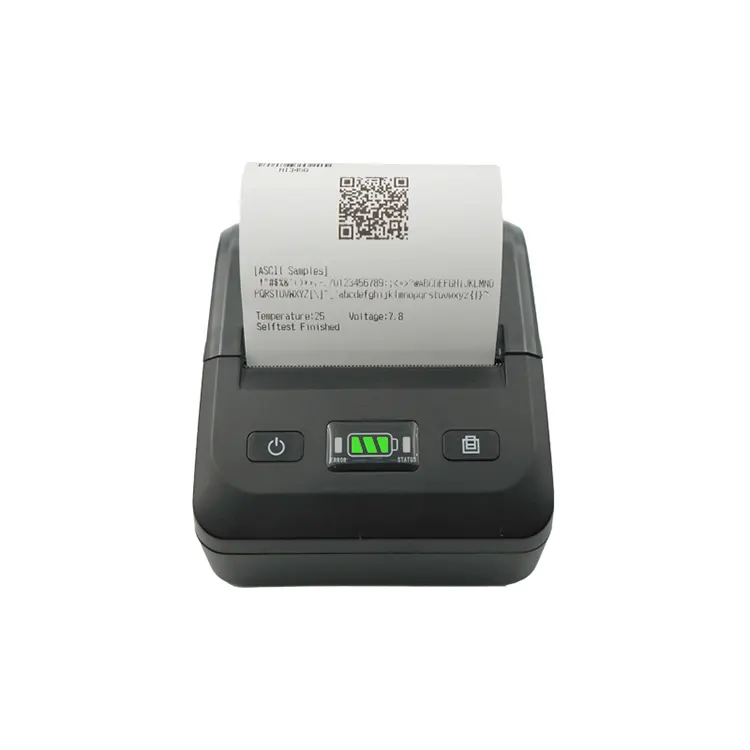
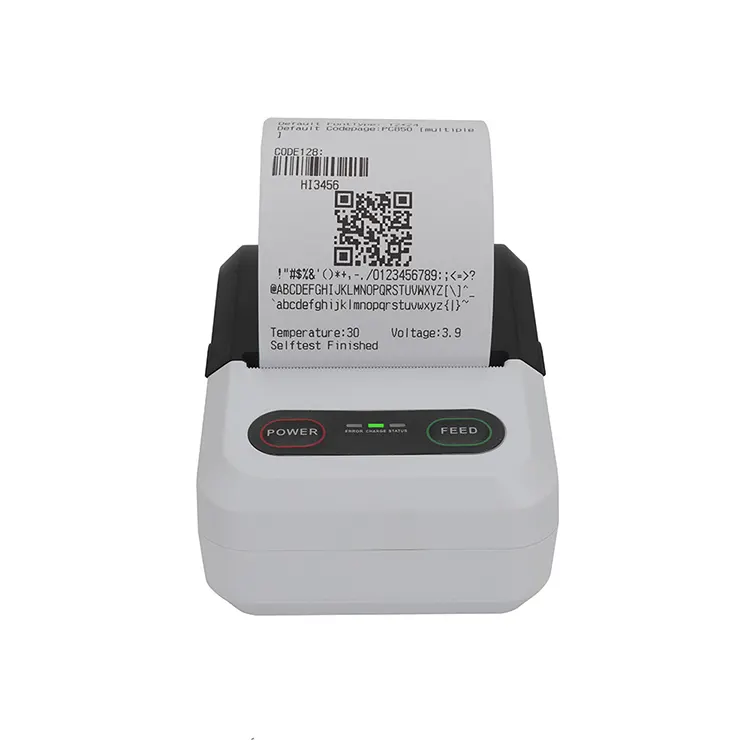
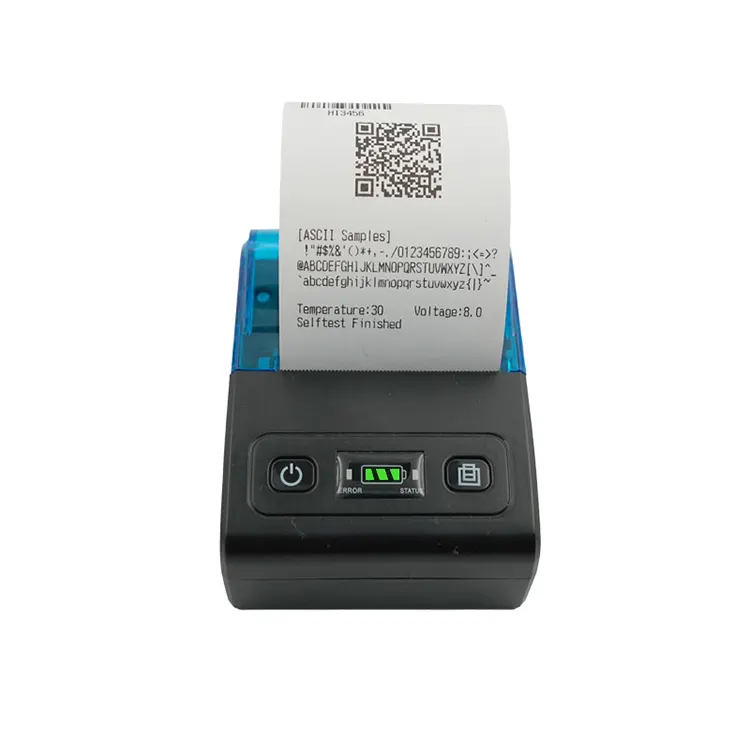
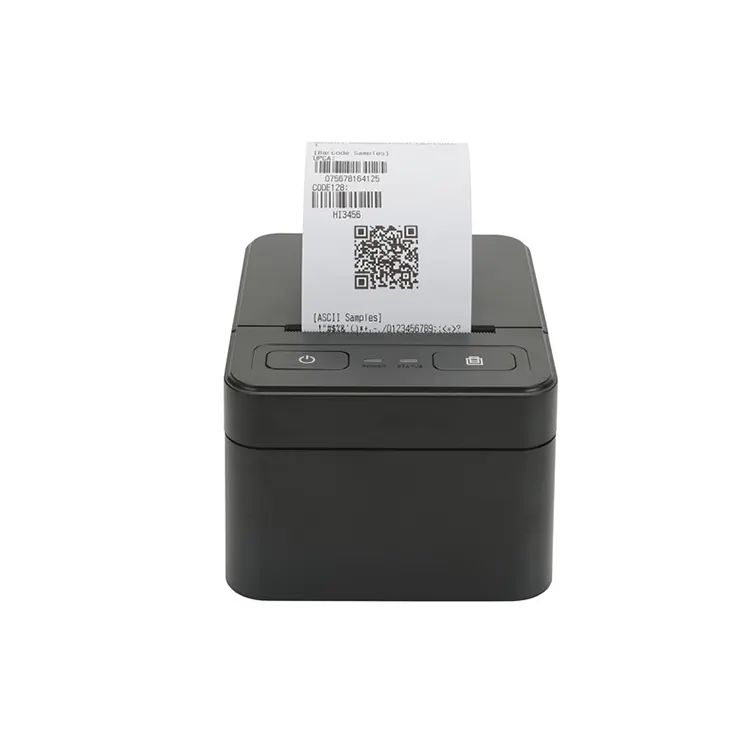
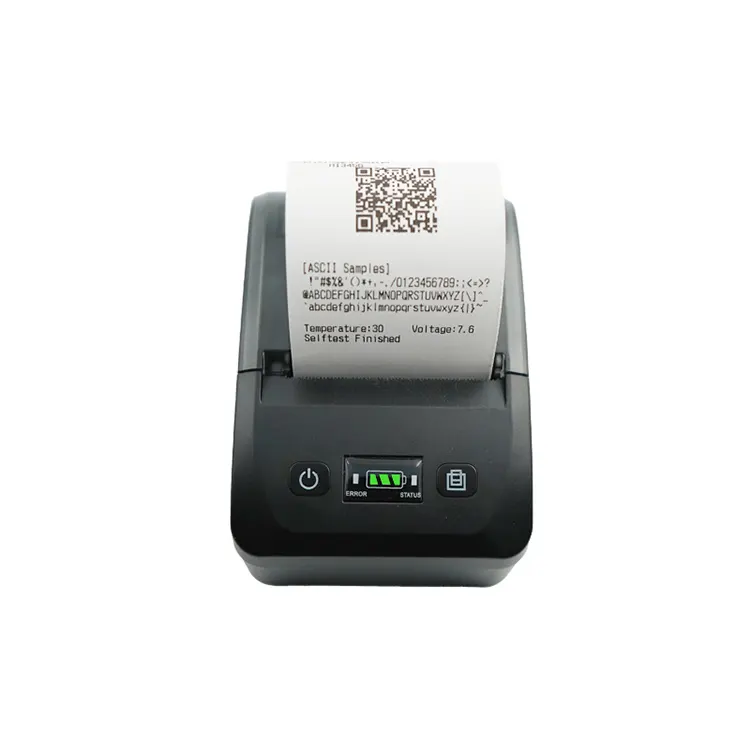
Mobile Thermal Receipt Printer


Table of Contents


1. What Is the Difference Between Thermal Printing and Inkjet Printing?

Thermal printing and inkjet printing use fundamentally different technologies to create an image on paper. Thermal printing, specifically direct thermal printing, uses a print head that applies heat to a specially coated paper. The heat triggers a chemical reaction in the coating, causing it to turn black. There is no ink, no toner, and no ribbon. The paper is the only consumable. Inkjet printing, by contrast, uses a print head that sprays tiny droplets of liquid ink onto the paper. The ink is absorbed by the paper, and the image is formed by the arrangement of the droplets. This requires a supply of ink cartridges and a print head that must be maintained to prevent clogging. The table below summarizes the fundamental differences.

Feature Thermal Printing Inkjet Printing
Imaging Method Heat applied to thermal paper Ink droplets sprayed onto paper
Consumables Thermal paper only Ink cartridges and paper
Print Head Heating elements Nozzles and ink channels
Color Capability Monochrome (black) Full color
Maintenance Minimal Regular (nozzle cleaning, cartridge replacement)
Typical Application Receipts, labels, tickets Documents, photos, marketing materials

At Xiamen Peite Electronic Technology Co., Ltd., our factory specializes in the production of Thermal Receipt Printers for retail, hospitality, and logistics applications. We have extensive experience in thermal print head design and manufacturing. Our printers are engineered to deliver fast, reliable, and low-maintenance printing in the most demanding environments.


2. Why Do Consumables Make Thermal Printing More Efficient?

Consumables are the largest ongoing cost of any printing operation. In an inkjet printer, the consumables are ink cartridges and paper. Ink cartridges are expensive, and they have a limited yield. The yield varies depending on the content being printed, but it is typically much lower than the manufacturer's claims. Ink cartridges also have a shelf life, and they can dry out or clog if not used regularly. The paper must be suitable for inkjet printing, and it can be more expensive than standard paper. In a Thermal Receipt Printer, the only consumable is thermal paper. Thermal paper is inexpensive, widely available, and requires no special storage conditions. There are no ink cartridges to buy, store, or replace. This eliminates a major cost item and a major source of operational complexity. The table below compares the consumable costs of thermal and inkjet printing.

Consumable Thermal Printing Inkjet Printing
Ink / Toner None Ink cartridges (multiple colors)
Paper Thermal paper (low cost) Inkjet paper (higher cost)
Cost per Receipt (Est.) $0.01 - $0.02 $0.04 - $0.08
Storage Requirements Minimal (paper rolls) Temperature and humidity controlled
Waste Low (paper only) High (cartridges, packaging)

At our factory, we design our Thermal Receipt Printers to maximize efficiency and minimize consumable waste. We use high-quality print heads that are optimized for thermal paper, ensuring that every receipt is crisp and legible. We also offer a range of paper-saving features, such as adjustable print density and automatic paper cutters, to further reduce consumable costs.


3. How Does Maintenance Affect Operational Efficiency?

Maintenance is a hidden cost that is often overlooked when comparing printing technologies. Inkjet printers require regular maintenance to keep the print head clean and the nozzles unclogged. This includes automatic cleaning cycles, which consume ink, and manual cleaning procedures, which consume time. If the printer is not used regularly, the ink can dry in the nozzles, causing permanent damage. In a high-volume environment, the print head may need to be replaced periodically, which is a significant expense. Thermal Receipt Printers require minimal maintenance. The print head is a solid-state component with no moving parts, and it does not clog. The only regular maintenance is cleaning the print head with a cleaning pen or swab, which takes a few minutes. There are no ink cartridges to replace, no nozzles to unclog, and no cleaning cycles that waste consumables. The table below compares the maintenance requirements of the two technologies.

Maintenance Task Thermal Printing Inkjet Printing
Print Head Cleaning Occasional (manual swab) Frequent (automatic and manual)
Ink Cartridge Replacement None Regular
Nozzle Clog Prevention Not applicable Requires regular use or cleaning cycles
Print Head Replacement Infrequent (long life) Periodic (can be expensive)
Downtime Minimal Significant (cleaning, replacement)

At Peite, our Thermal Receipt Printers are designed for low maintenance and high uptime. We use durable print heads that are rated for millions of lines of printing. We also provide a comprehensive maintenance guide and a cleaning kit with every printer, so our customers can keep their printers running smoothly with minimal effort.


4. What About Speed and Reliability in High-Volume Environments?

Speed and reliability are critical in high-volume environments such as retail checkout counters, fast-food restaurants, and logistics dispatch stations. A slow printer can create queues and frustrate customers. An unreliable printer can cause transactions to fail and require manual intervention. Thermal Receipt Printers are generally faster than inkjet printers because they do not have the mechanical complexity of ink delivery systems. A typical thermal receipt printer can print at speeds of 150 to 300 mm per second, while an inkjet printer may print at 50 to 100 mm per second. Thermal printers also have fewer moving parts, which means fewer opportunities for failure. The print head is the only component that is subject to wear, and it is designed to last for millions of lines of printing. The table below compares the speed and reliability of thermal and inkjet printers.

Parameter Thermal Receipt Printer Inkjet Printer
Print Speed 150 - 300 mm/s 50 - 100 mm/s
Print Head Life 50 - 100 km of paper 10,000 - 50,000 pages
Moving Parts Few (paper feed, cutter) Many (carriage, belts, ink delivery)
MTBF High (typically >100,000 hours) Moderate (varies by model)
Failure Modes Print head wear, paper jam Clogged nozzles, ink leaks, carriage failure

At our factory, we test our Thermal Receipt Printers for speed, durability, and reliability. We use high-quality components, including Japanese or Taiwanese print heads, and we subject each printer to a rigorous burn-in test before shipment. Our goal is to provide our customers with printers that can handle the most demanding high-volume environments without downtime.


5. How Do You Evaluate a Thermal Receipt Printer Supplier?

Evaluating a supplier of Thermal Receipt Printers requires a focus on manufacturing capability, print head quality, reliability testing, technical support, and delivery performance. The supplier must have the capability to manufacture printers to the required specifications. This includes the ability to source high-quality print heads, assemble the printers, and test them for performance and reliability. The print head quality is the most important factor in the printer's life and performance. The supplier must have a reliability testing program that includes burn-in testing, drop testing, and environmental testing. The supplier must provide technical support to help you integrate the printers into your POS system and to troubleshoot any issues. And the supplier must have a strong track record of on-time delivery. The table below summarizes these evaluation criteria.

Evaluation Criterion What to Look For Why It Matters
Manufacturing Capability SMT lines, assembly lines, testing equipment Ensures product quality and consistency
Print Head Quality Branded print heads (Seiko, Epson, etc.) Determines print quality and life
Reliability Testing Burn-in, drop, environmental testing Ensures the printer will perform in the field
Technical Support Driver development, integration support Helps you deploy and maintain the printers
Delivery Performance On-time delivery record, inventory capability Keeps your operations running

At Xiamen Peite Electronic Technology Co., Ltd., our factory has been producing Thermal Receipt Printers for over a decade. We use branded print heads from reputable manufacturers, and we subject every printer to a rigorous testing program. We provide comprehensive technical support, including driver development and integration assistance. And we have a strong track record of on-time delivery to customers around the world. We invite you to evaluate us against these criteria and to consider us as your partner for Thermal Receipt Printers.


6. What Are the Key Product Parameters from Our Factory?

The following table provides the key product parameters for our Thermal Receipt Printers. These printers are designed for retail, hospitality, logistics, and healthcare applications. Our factory can also produce custom printers to meet specific requirements.

Parameter Specification Range Notes
Print Method Direct Thermal No ink or ribbon required
Print Width 58mm, 80mm Standard receipt widths
Print Speed 150 - 300 mm/s Selected for application
Resolution 203 dpi, 300 dpi 300 dpi for high-quality graphics
Print Head Life 50 - 100 km Depends on paper quality
Interface USB, Ethernet, Serial, Wi-Fi, Bluetooth Selected for POS system
Cutter Manual, Auto-Cutter Auto-cutter for high volume
Paper Diameter 80mm, 100mm Larger rolls for fewer changes
Operating Temperature 0°C - 50°C Standard for indoor use
Dimensions Varies by model Compact designs available
MOQ 100 units Negotiable for large orders
Lead Time 2 - 4 weeks Depends on quantity and customization

At our factory, we manufacture our Thermal Receipt Printers to meet these specifications and more. We can customize the print width, speed, resolution, interface, and cutter to suit your specific requirements. Our quality control system includes inspection of raw materials, in-process inspection, and final inspection before shipment. Our goal is to provide our customers with high-quality Thermal Receipt Printers that deliver reliable performance and low operating costs.


7. Frequently Asked Questions (FAQ)

Question 1: Is thermal paper recyclable?

Answer: Thermal paper is generally not recyclable in standard paper recycling streams because of the chemical coating that enables thermal printing. The coating can contaminate the recycling process. However, some specialized recycling programs accept thermal paper. We recommend checking with your local recycling facility. For businesses that are concerned about waste, we offer printers with paper-saving features and support the use of BPA-free thermal paper, which is less harmful to the environment.

Question 2: Do thermal printers require special paper?

Answer: Yes, thermal printers require thermal paper, which is coated with a heat-sensitive layer. Standard paper will not work. Thermal paper is widely available and comes in standard roll sizes, such as 58mm and 80mm. It is important to use high-quality thermal paper to ensure crisp printing and to protect the print head from abrasive particles. We recommend specifying thermal paper that meets the printer manufacturer's requirements.

Question 3: Can a thermal receipt printer print in color?

Answer: No, standard thermal receipt printers print in monochrome (black). There are specialized thermal printers that can print in two colors (black and red) using dual-color thermal paper, but full-color thermal printing is not commercially available. For applications that require color, inkjet or laser printing is required. However, for receipts and labels, monochrome printing is sufficient and more cost-effective.

Question 4: What is the lifespan of a thermal receipt printer?

Answer: The lifespan of a Thermal Receipt Printer depends on the usage and the quality of the printer. A high-quality printer with a branded print head can last 5 to 7 years in a typical retail environment. The print head is the primary wear component, and it typically lasts for 50 to 100 kilometers of paper. With proper maintenance and the use of high-quality thermal paper, the printer can provide reliable service for many years.

Question 5: Are thermal printers suitable for logistics and warehouse applications?

Answer: Yes, thermal printers are widely used in logistics and warehouse applications for printing labels, shipping documents, and packing slips. They are fast, reliable, and can operate in harsh environments. Thermal label printers are available in industrial-grade models that can withstand dust, vibration, and temperature extremes. At Xiamen Peite Electronic Technology Co., Ltd., we offer a range of thermal printers for logistics applications.


8. Conclusion

Thermal printing is more efficient than inkjet printing because it eliminates ink cartridges, reduces maintenance, increases speed, and improves reliability. The only consumable is thermal paper, which is inexpensive and widely available. There are no nozzles to clog, no cartridges to replace, and no cleaning cycles that waste ink. The result is a lower total cost of ownership, higher uptime, and a better experience for customers and staff. At Xiamen Peite Electronic Technology Co., Ltd., our factory has the expertise and the capability to produce high-quality Thermal Receipt Printers that deliver these benefits. We use branded print heads, precision manufacturing, and rigorous testing to ensure that our printers meet the most demanding requirements.

Whether you are equipping a retail chain, a restaurant, a logistics hub, or a healthcare facility, we invite you to contact us to discuss your requirements. We can provide samples, technical data, and customized solutions. Our commitment to quality and customer satisfaction has made us a trusted partner for businesses around the world.

Contact Xiamen Peite Electronic Technology Co., Ltd. today to discuss your Thermal Receipt Printer requirements and discover how our printers can improve your operational efficiency.

Related News
Leave me a message
X
We use cookies to offer you a better browsing experience, analyze site traffic and personalize content. By using this site, you agree to our use of cookies. Privacy Policy
RejectAccept