News

News

Why Is Demand for 58mm and 80mm Thermal Ticket and Label Printers Growing?

2026-10-21 0 Leave me a message

Thermal printing technology has become an important part of daily business operations across retail, food service, logistics, and e-commerce. Its advantages include ink-free printing, relatively low operating costs, fast output, and straightforward maintenance. As businesses handle more digital orders, shipping labels, and transaction records, the demand for 58mm and 80mm thermal ticket printers and thermal label printers continues to grow.

The expansion of online food delivery, cloud-based POS systems, and cross-border e-commerce has increased the need for reliable printing equipment. Small retailers require compact receipt printers, restaurants need fast order printing during peak hours, and logistics operations depend on clear, scannable shipping labels. These different requirements have made thermal printers an essential tool for businesses of various sizes.

As a source factory specializing in thermal printing equipment, Peite provides a product range covering 58mm and 80mm thermal ticket printers, portable Bluetooth printers, thermal label printers, and compatible thermal paper consumables.

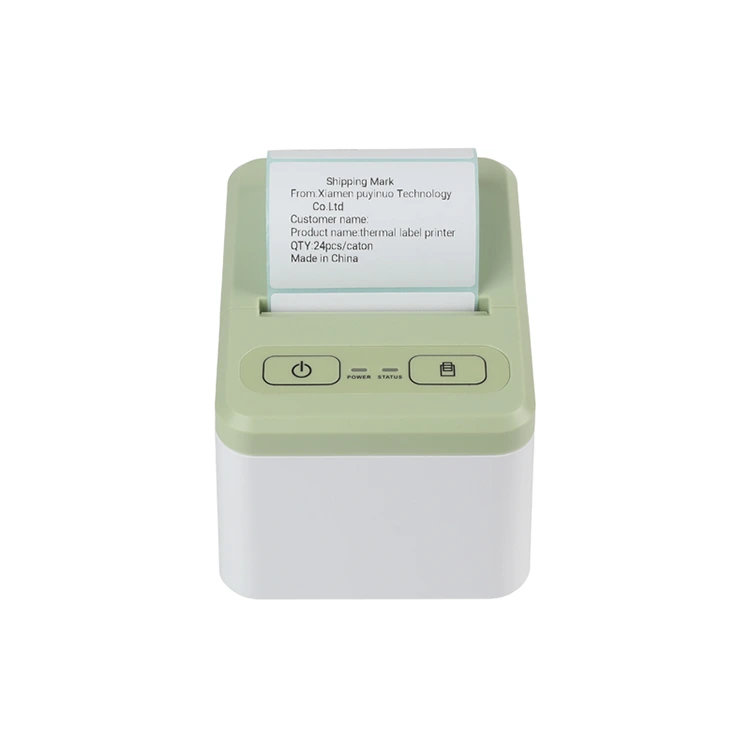
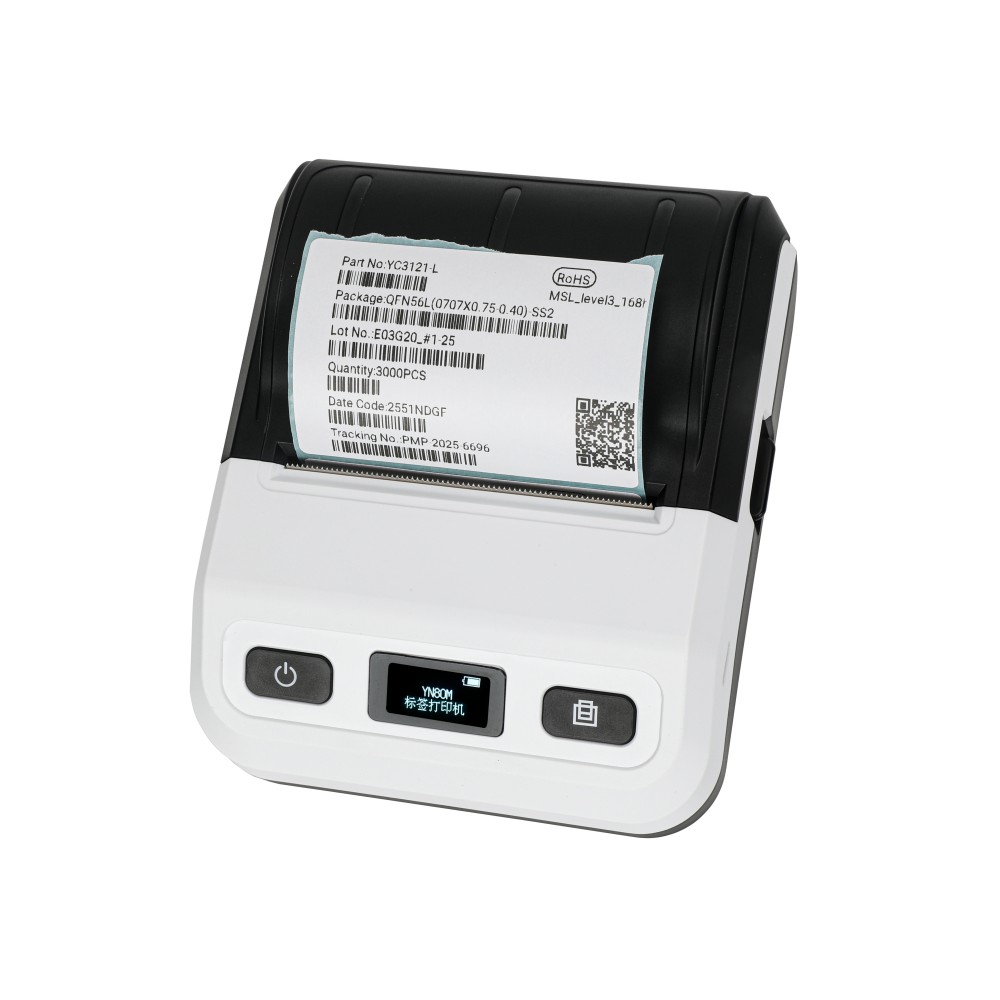
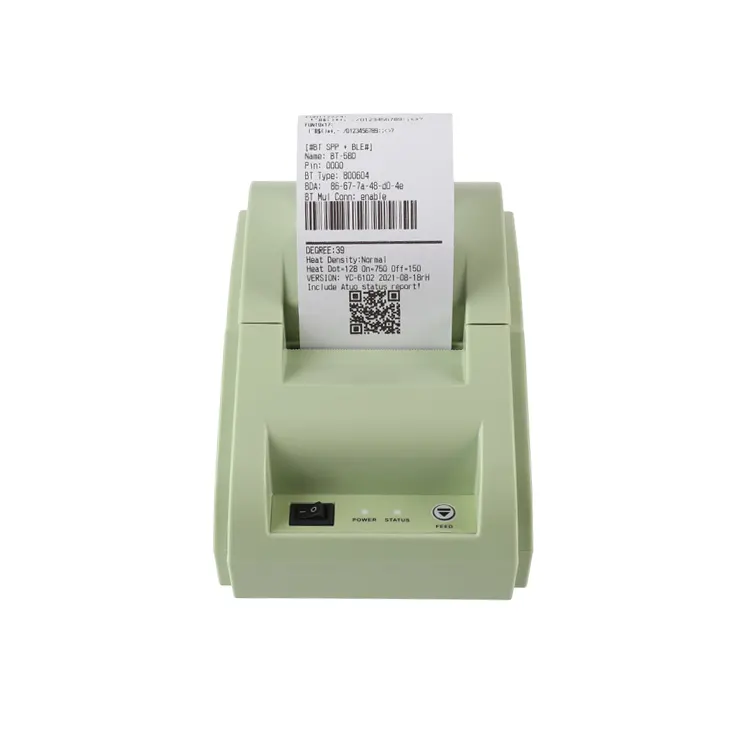
thermal label printer

What Is Driving the Demand for Thermal Printers?

Several changes in business operations are contributing to the continued use of thermal printing technology.

Growth in Digital Transactions and Online Orders

Retail stores, restaurants, and service businesses increasingly rely on POS systems to process transactions and manage orders. Each transaction may require a receipt, while food service operations often need separate tickets for kitchen preparation, takeaway orders, and delivery collection.

Thermal ticket printers provide a practical way to produce these documents quickly without using ink cartridges or toner. Depending on the model and configuration, they can connect to POS terminals, computers, tablets, and mobile devices.

Increasing Demand for Shipping and Product Labels

E-commerce and cross-border shipping require clear labels containing addresses, barcodes, tracking numbers, or product information. Thermal label printers help businesses produce these labels on demand, supporting daily packing, inventory management, and order fulfillment.

For operations that process frequent shipments, choosing a printer with suitable label width, print resolution, interface compatibility, and printing speed can help maintain an efficient workflow.

Adoption of Cloud-Based POS and Printing Systems

Cloud-based business systems allow orders and sales information to move between connected devices and locations. Thermal printers with compatible network or wireless interfaces can support these workflows, depending on the software and hardware configuration.

For businesses operating multiple stores or service points, connectivity is an important factor when selecting a printer. USB, Bluetooth, Ethernet, and Wi-Fi options serve different operational needs and should be evaluated according to the intended application.

58mm Thermal Ticket Printers for Compact Workspaces

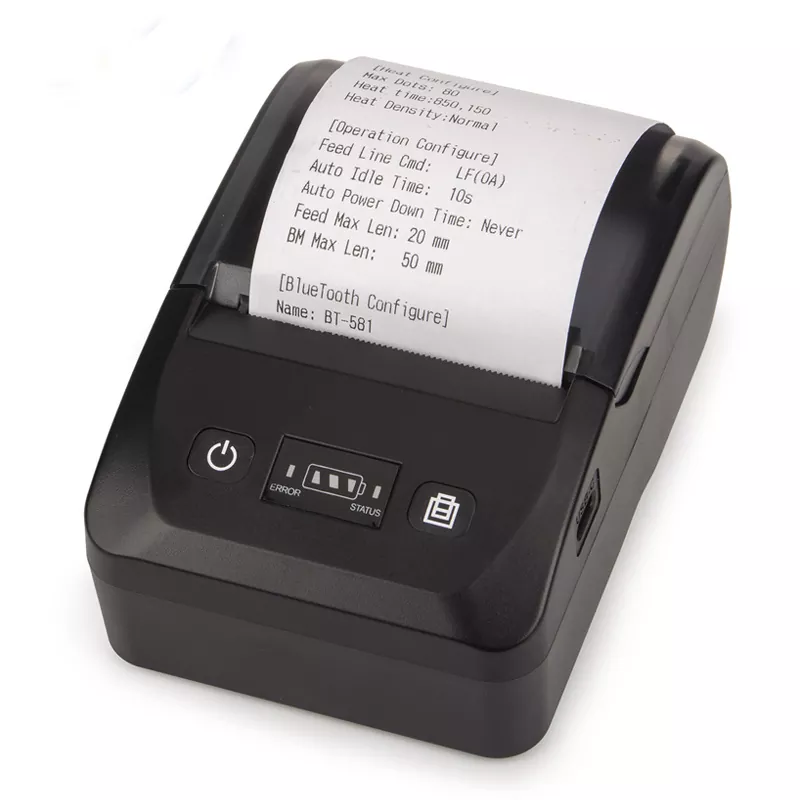
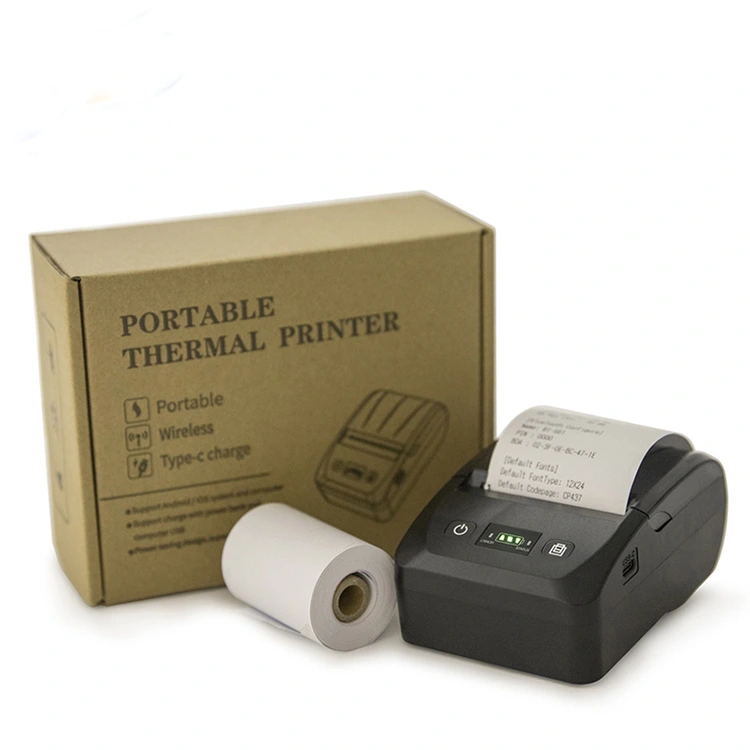
A 58mm thermal ticket printer is commonly selected for applications that use narrow receipt paper and have limited counter space. Its compact design makes it suitable for small retail stores, mobile vendors, taxi receipt systems, self-service equipment, and certain mobile POS applications.

Common Applications of 58mm Thermal Printers

  • Small retail checkout counters
  • Mobile POS terminals and tablet-based payment systems
  • Food delivery order collection
  • Taxi and service receipts
  • Compact self-service kiosks

Depending on the model, a 58mm thermal ticket printer may support USB or Bluetooth connectivity. Bluetooth models can be used with compatible mobile devices and POS applications, while USB models are suitable for supported computer-based systems.

When selecting a 58mm printer, businesses should consider paper width, printing speed, supported operating systems, interface options, and compatibility with existing POS software.

80mm Thermal Ticket Printers for Higher-Volume Printing

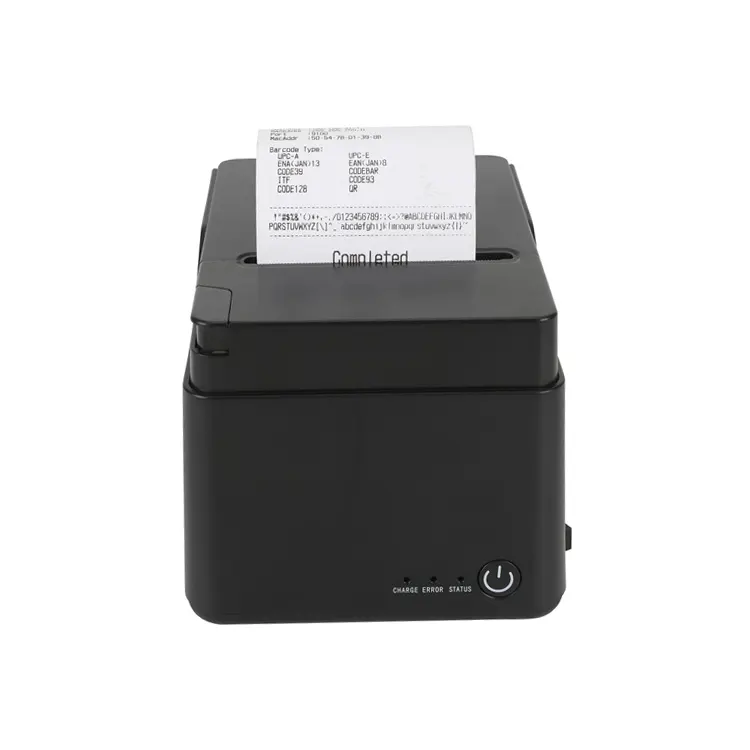
An 80mm thermal ticket printer is designed for wider receipts and is widely used in restaurants, supermarkets, pharmacies, and other environments where transaction or order information needs to be printed clearly.

Compared with narrower receipt formats, 80mm paper provides more space for item descriptions, transaction details, store information, QR codes, and promotional messages. This can be useful for businesses that issue longer receipts or kitchen tickets.

Common Applications of 80mm Thermal Printers

  • Restaurant billing and kitchen order printing
  • Supermarket and convenience store checkout
  • Pharmacy receipts and transaction records
  • Retail POS systems with detailed receipts
  • Multi-terminal business environments

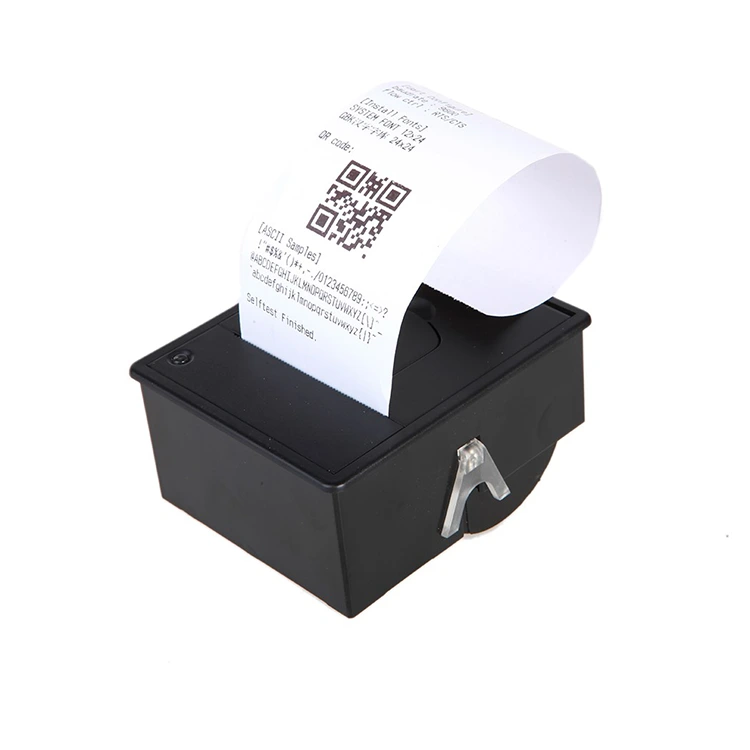
Depending on the model, available features may include an automatic paper cutter, high-speed printing, larger paper-roll capacity, and USB, Ethernet, or wireless connectivity. Network-enabled models can be integrated into supported local network printing environments.

For restaurants and busy checkout counters, printing speed, cutter durability, paper-loading convenience, and interface compatibility are important considerations. Businesses should confirm the specifications of each model before selecting equipment for continuous or high-volume operation.

Thermal Label Printers for Shipping, Inventory, and Retail

Thermal label printers serve a different purpose from receipt printers. They are designed to print on compatible label materials used for shipping, product identification, pricing, and inventory tracking.

Typical Applications of Thermal Label Printers

  • Courier and e-commerce shipping labels
  • Product identification and packaging labels
  • Retail price stickers
  • Warehouse inventory barcode labels
  • QR code labels for tracking and identification

A suitable thermal label printer can help businesses print labels as orders are processed, reducing the need to prepare labels in advance. Clear barcode output also supports scanning when the printer, label material, print settings, and barcode format are properly matched.

Before choosing a model, businesses should review the supported label width, print resolution, media type, printing speed, connectivity, and compatibility with their shipping platforms or inventory software.

Integration requirements vary by system. Businesses using Shopify, independent e-commerce websites, or third-party logistics platforms should verify whether their shipping software supports the selected printer directly or requires a compatible driver or printing application.

How to Choose the Right Thermal Printer

The appropriate printer depends on the type of document being printed, the operating environment, and the existing software system.

Selection Factor What to Consider
Printing Purpose Receipt printing, kitchen tickets, shipping labels, or product identification.
Paper or Label Width 58mm, 80mm, or the supported label dimensions.
Printing Volume Daily workload, peak-hour demand, and expected operating frequency.
Connectivity USB, Bluetooth, Ethernet, or Wi-Fi, depending on model availability.
Software Compatibility POS systems, operating systems, mobile applications, and shipping software.
Printer Features Automatic cutter, paper capacity, resolution, and media-loading design.
Maintenance Paper replacement, cleaning requirements, and availability of compatible consumables.

Matching the printer to its actual application helps avoid compatibility issues and unnecessary equipment costs. For example, a compact 58mm printer may be suitable for a mobile sales counter, while an 80mm model may be more appropriate for detailed restaurant receipts. A dedicated label printer is generally the more suitable option for shipping and inventory labels.

Peite's Thermal Printing Product Range

Peite offers thermal printing products for different business environments, including desktop thermal ticket printers, portable Bluetooth printers, thermal label printers, and compatible thermal paper consumables.

The product range serves applications in retail, food service, mobile sales, and shipping operations. Different printer configurations support different requirements for paper width, connectivity, and printing functions.

For importers, POS solution providers, and brands developing their own printing product lines, OEM and ODM cooperation can provide options for product customization and brand development. Bulk order requirements should be evaluated according to the selected model, configuration, and production arrangements.

Peite focuses on supplying thermal printing equipment for business use. Product selection can be based on the intended application, technical specifications, interface requirements, and compatibility with the existing operating environment.

Conclusion

The continued growth of digital transactions, online food delivery, and e-commerce shipping is sustaining demand for thermal ticket and label printers. Compact 58mm models support space-saving receipt printing, 80mm models accommodate wider and more detailed tickets, and thermal label printers help businesses manage shipping, product identification, and inventory workflows.

Selecting the right equipment requires attention to printing requirements, connectivity, software compatibility, and expected workload. With a product range covering desktop ticket printers, portable Bluetooth printers, thermal label printers, and related consumables, Peite supports different thermal printing requirements across business applications.

For product specifications, model comparisons, sample evaluation, or OEM and ODM inquiries, visit the Peite official website to learn more about the available thermal printing solutions.

Related News
Leave me a message
X
We use cookies to offer you a better browsing experience, analyze site traffic and personalize content. By using this site, you agree to our use of cookies. Privacy Policy
RejectAccept