News

News

How Are Thermal Printers Meeting the Printing Needs of Retail, Catering and Logistics Businesses?

2026-11-10 0 Leave me a message


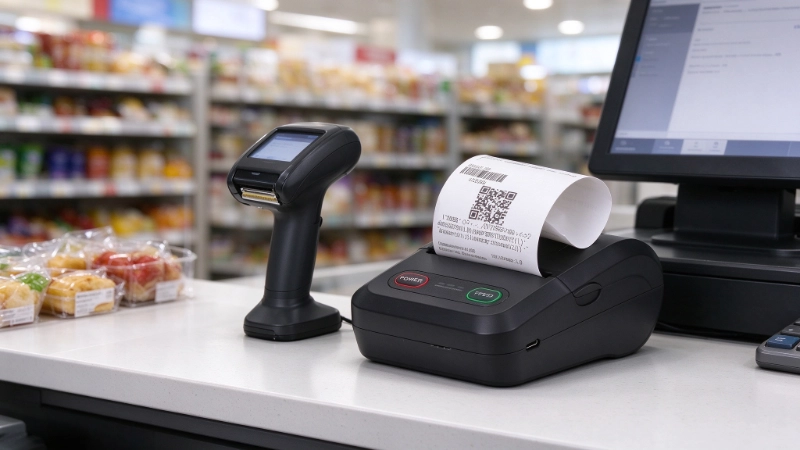
As retail operations, food delivery services, and cross-border e-commerce continue to develop, businesses need reliable printing equipment to handle receipts, order tickets, shipping labels, and inventory records. Printing devices used in these environments must be easy to operate, compatible with existing systems, and capable of handling frequent daily printing without adding unnecessary maintenance costs.

Thermal printing technology has become a practical option for these applications. By using heat-sensitive paper instead of traditional ink or toner, thermal printers simplify the printing process and reduce the need to purchase and replace ink cartridges or ribbons. This makes them suitable for businesses that print large numbers of receipts, order documents, and shipping labels as part of their daily operations.

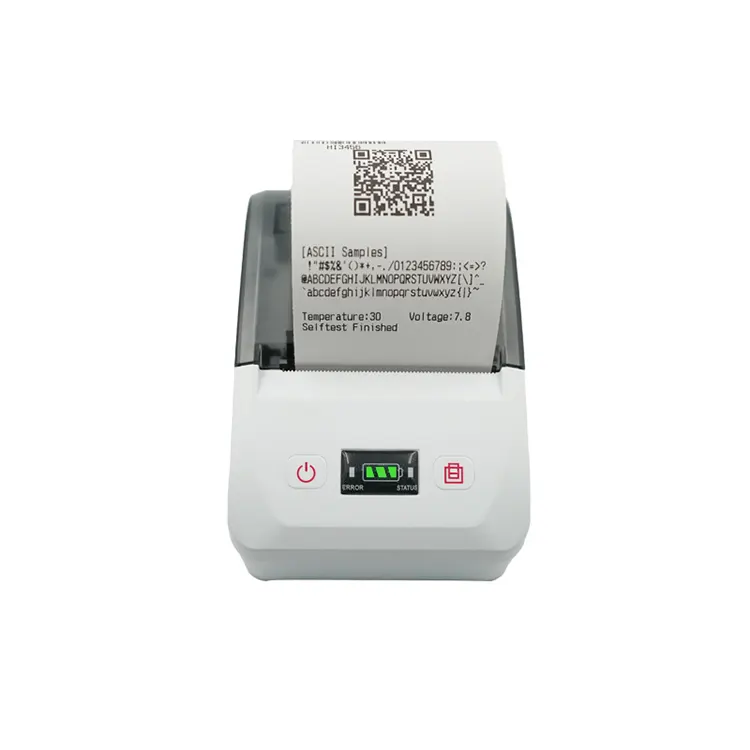
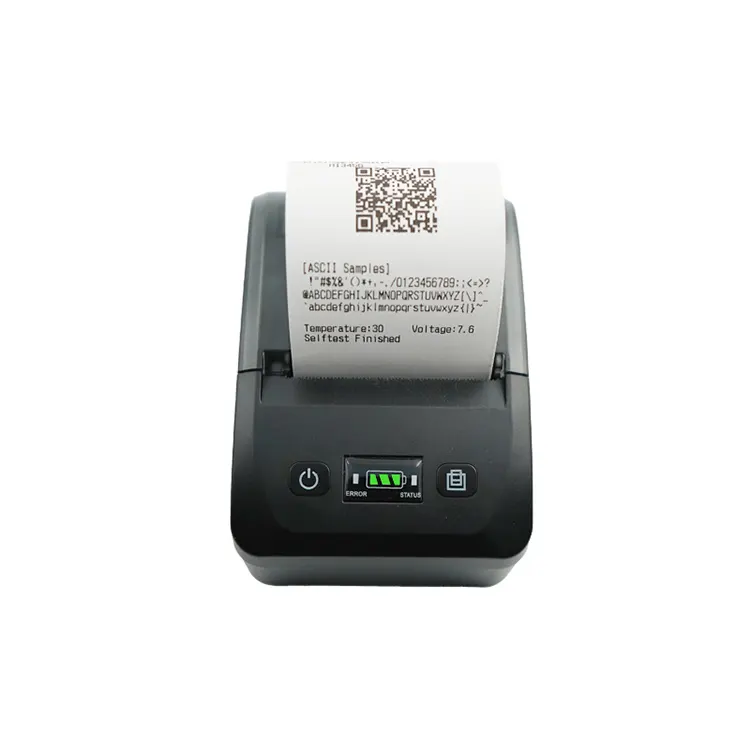
Xiamen Peite Electronic Technology Co., Ltd. focuses on the research and development of thermal printing equipment, offering multiple product lines covering 58mm and 80mm thermal receipt printers as well as dedicated thermal label printers. These products are developed for offline retail stores, restaurants, courier warehouses, cross-border e-commerce sellers, and small businesses that require straightforward printing solutions.

58mm and 80mm thermal receipt printers


Why Are More Businesses Choosing Thermal Printing Technology?

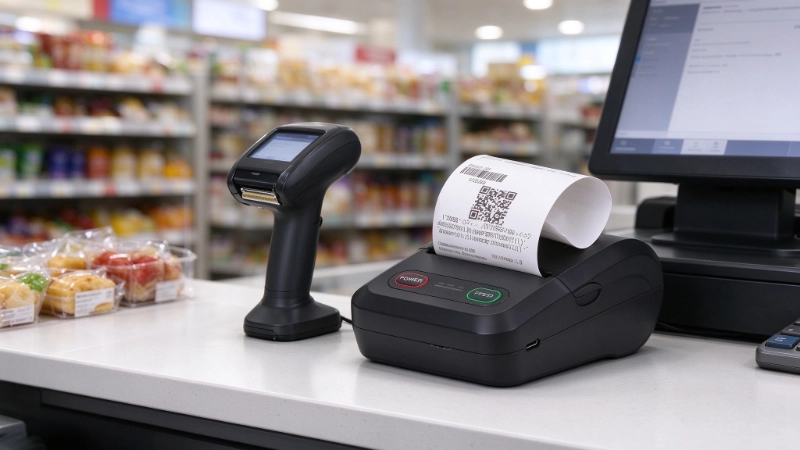
In many commercial environments, printing is a routine task that directly affects order processing and daily operations. Retail stores need to issue receipts quickly, restaurants need to print order tickets for kitchen staff, and logistics warehouses need clear shipping labels to identify and sort packages.

Traditional printing methods can involve additional consumables, such as ink cartridges, toner, or ribbons. These materials require regular purchasing and replacement, adding to ongoing operating expenses. They may also create maintenance problems when printing equipment is used frequently.

Thermal printing works differently. The print head generates heat in specific areas of the thermal paper, creating text, numbers, barcodes, and other printed information without requiring liquid ink or toner. Direct thermal printing therefore reduces the number of consumables needed for everyday printing.

For businesses processing frequent orders, this approach offers several practical advantages:

  • Lower consumable requirements: Direct thermal printing uses compatible thermal paper rather than ink cartridges or toner.
  • Simplified maintenance: There is no need to replace ink or deal with ink leakage, dried ink, or related cartridge problems.
  • Convenient operation: Users can load thermal paper and start printing after completing the initial connection and software setup.
  • Suitable for frequent printing: Commercial models can support repeated printing tasks in retail counters, restaurant kitchens, and logistics workstations.

It is important to select the correct type of thermal paper for the intended application. Receipt paper and thermal label paper are designed for different printing purposes and are not interchangeable in every printer.

58mm and 80mm Thermal Printers for Different Commercial Applications

Printing requirements vary depending on the available workspace, document width, daily printing volume, and software environment. A small retail counter does not necessarily need the same printer configuration as a restaurant kitchen or logistics warehouse.

Xiamen Peite offers 58mm and 80mm thermal printer options to accommodate different working environments.

58mm Thermal Printers for Compact Workspaces and Mobile Operations

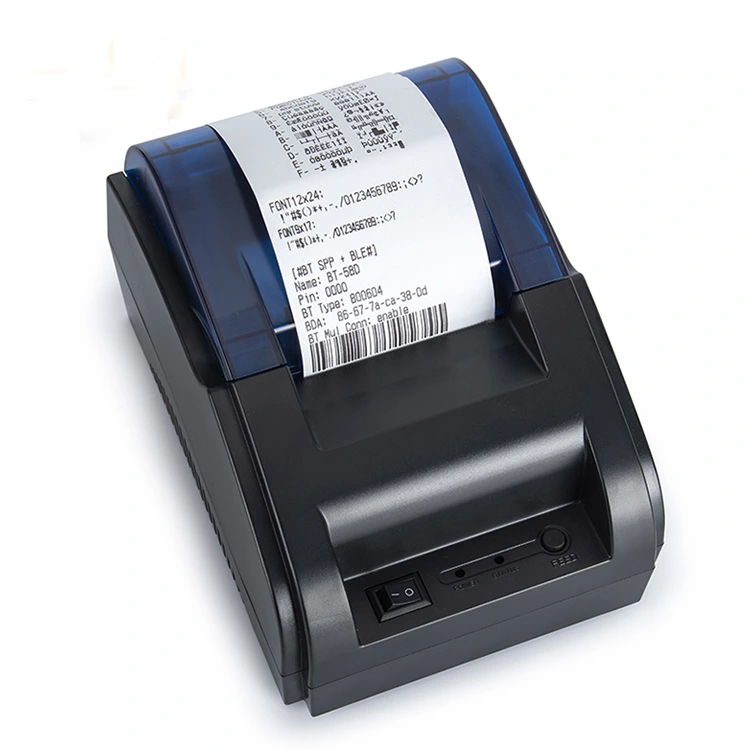
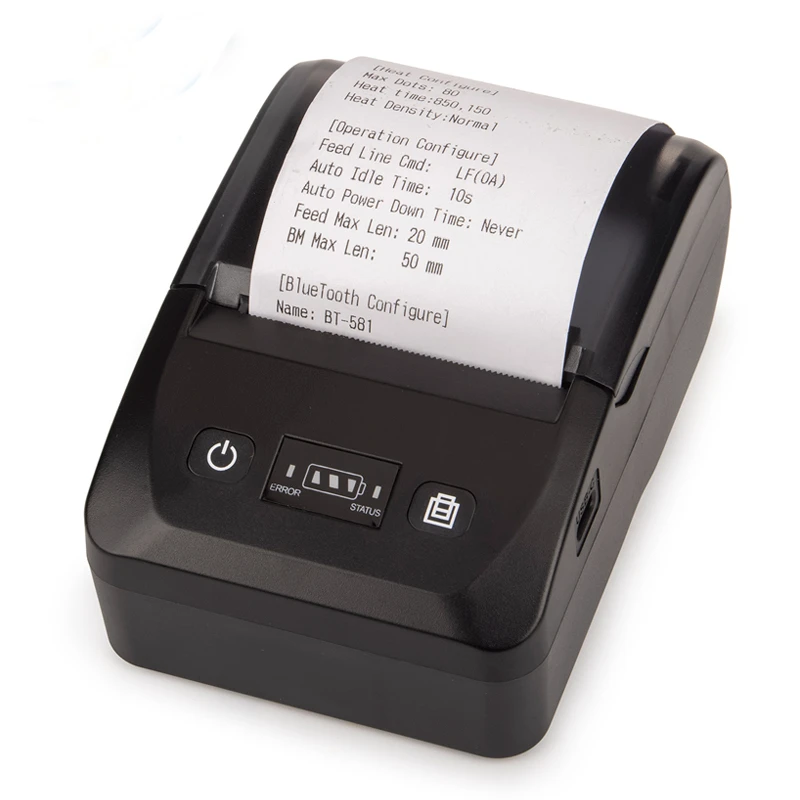
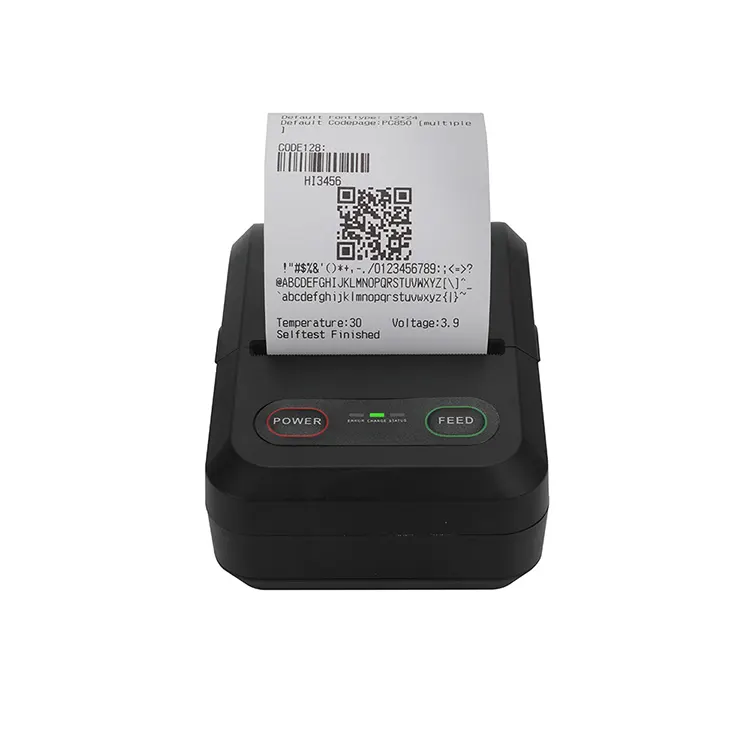
The 58mm model is designed for businesses that need a compact printer without occupying too much counter space. Its smaller size makes it suitable for coffee shops, market stalls, small retail stores, and mobile sales operations.

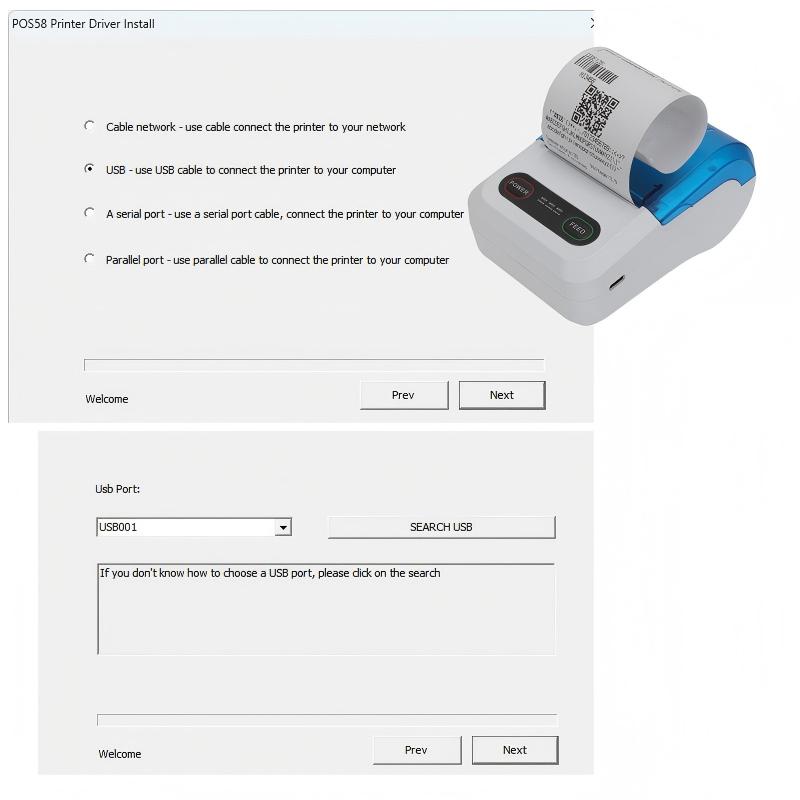
Depending on the model configuration, USB and Bluetooth connections are available, allowing users to connect the printer to compatible computers or mobile devices. This provides flexibility for businesses that use different checkout arrangements or need to print receipts away from a fixed workstation.

Typical applications include cash register receipts, small order tickets, and other narrow-format documents. For businesses with limited counter space or relatively simple printing requirements, a 58mm printer provides a practical way to handle routine transactions.

80mm Thermal Printers for Restaurants, Supermarkets and Logistics Workstations

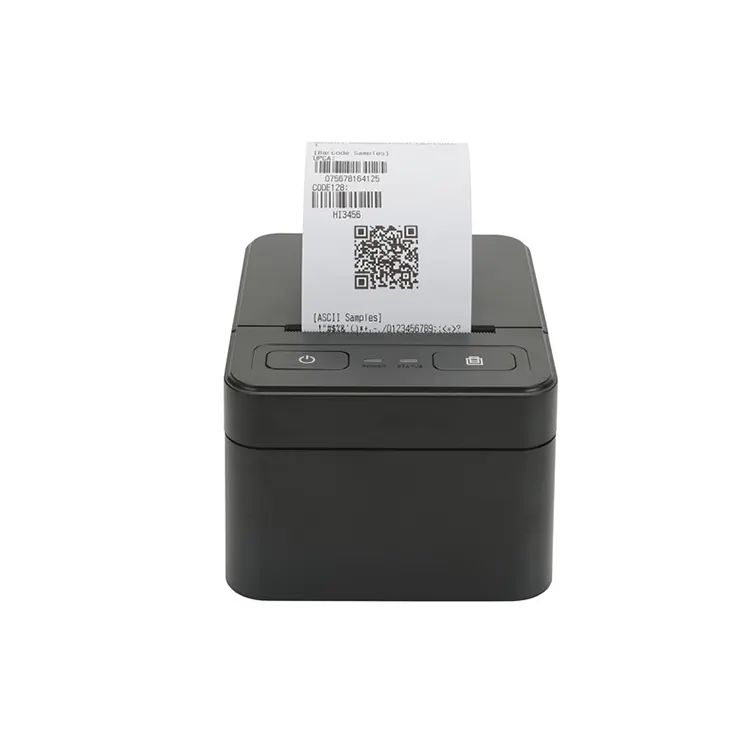
The 80mm desktop model is intended for environments where printing speed, paper width, and daily workload are more important.

Restaurants can use it to print kitchen order tickets, delivery orders, and transaction receipts. Supermarkets and retail stores can use wider paper formats for receipts containing more product information. Courier stations and warehouse workstations can also use compatible configurations for routine document printing.

Selected models offer printing speeds of up to 220 mm/s and an optional automatic paper cutter. These features help reduce waiting time between printing tasks and make it easier to process repeated orders throughout the working day.

For restaurants and other businesses with continuous order processing, the wider printing format also provides more space for item descriptions, quantities, prices, and order information.

Compatibility with mainstream cash register systems and catering software is another important consideration. Before purchasing, businesses should confirm that the printer's connection interface, driver, and command language are supported by their existing software.

Thermal Label Printers for Shipping, Inventory and Product Identification

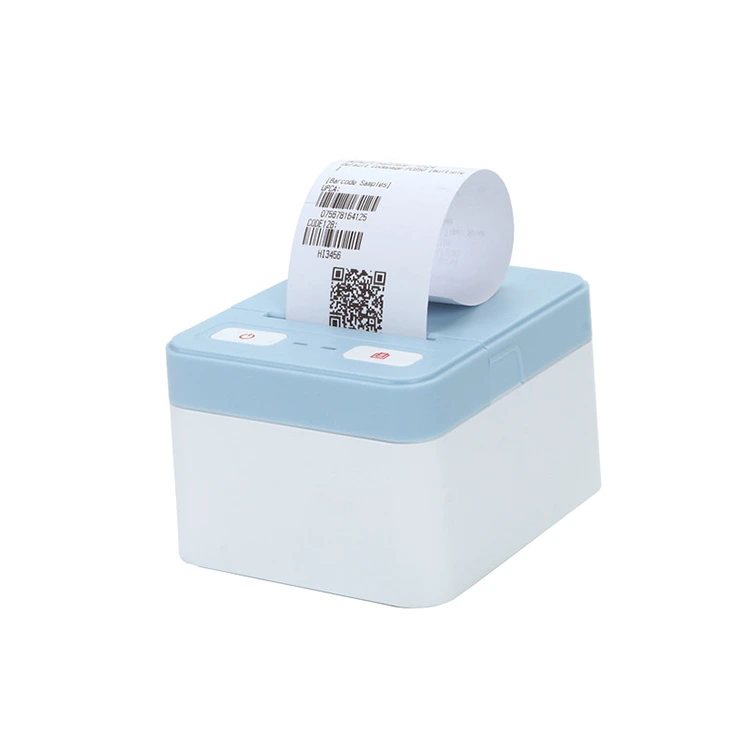
Receipt printing and label printing serve different purposes. While receipt printers are mainly used for transaction records and order information, label printers are designed to produce adhesive labels for product identification, shipping, and inventory management.

With the growth of cross-border e-commerce, online sellers often need to print shipping labels, product identification labels, barcode labels, and warehouse stickers. These documents help organize packages and maintain accurate product information throughout the fulfillment process.

Xiamen Peite also provides dedicated thermal label printer models for these applications.

The label printing range supports different label sizes according to model configuration. Selected models support 4 × 6-inch shipping labels, a commonly used format for e-commerce and logistics operations. These printers can be used for shipping documents, inventory barcodes, product price tags, and shelf labels.

For sellers operating independent online stores, Shopify stores, or Amazon businesses, compatibility with shipping platforms and label-generation software is particularly important. A suitable printer can simplify the process of preparing shipping labels and reduce the need to print them through a separate office printer.

Before selecting a label printer, businesses should check the supported label width, printing resolution, connection method, and software compatibility to ensure that the equipment meets their actual shipping requirements.

Connection Options and Software Compatibility

In commercial printing environments, connection compatibility is just as important as printing performance. A printer may have suitable printing specifications, but it still needs to work with the computer, mobile device, or business software used by the operation.

Xiamen Peite offers different connection configurations across its thermal printer product lines, including USB, Bluetooth, and Wi-Fi options, depending on the model.

USB connections are suitable for fixed workstations such as supermarket counters, restaurant cash registers, and warehouse computers. Bluetooth connections provide more flexibility for compatible mobile devices and compact checkout setups. Wi-Fi connectivity can be considered for working environments where wireless network printing is required.

Software and operating system compatibility should also be confirmed before ordering. The product range is intended to support common working environments involving Windows, macOS, Android, and Apple mobile devices, subject to the specific model, driver, and connection configuration.

For businesses using POS systems, food delivery software, or cross-border shipping platforms, confirming compatibility in advance can help avoid connection problems during installation.

Key Features of Peite Thermal Printing Solutions

The practical value of a commercial printer depends on how well its specifications match the actual working environment. The main features of Peite's product range include:

Ink-Free Direct Thermal Printing

Direct thermal models print on compatible heat-sensitive paper without requiring ink cartridges, toner, or carbon ribbons. This reduces the number of consumables needed for routine receipt and label printing.

Multiple Connection Options

USB, Bluetooth, and Wi-Fi configurations are available across different models. Businesses can select a connection method according to their equipment and workspace requirements.

Different Paper Width Options

The 58mm and 80mm receipt printer ranges accommodate different receipt widths and workspace requirements, while dedicated label printers handle compatible adhesive label formats.

Fast Printing for Commercial Workloads

Selected 80mm models reach printing speeds of up to 220 mm/s, helping restaurants, retail stores, and other busy workplaces process printing tasks more efficiently.

Optional Automatic Paper Cutting

Selected 80mm desktop models can be equipped with an automatic cutter, reducing the need for manual paper tearing after each receipt is printed.

Compact Equipment Design

The compact 58mm models are suitable for counters and mobile sales environments where available space is limited. Desktop models provide additional printing capacity for fixed commercial workstations.

Simplified Daily Operation

The equipment is designed to make routine paper loading, connection, and printing straightforward. Print head durability and stable operation are also important considerations in the product development process.

How to Select the Right Thermal Printer for Your Business

Choosing a printer based only on its price or appearance may lead to compatibility problems or insufficient printing capacity. Businesses should first identify the type of documents they need to print and how frequently the equipment will be used.

For small shops, coffee stands, and mobile sellers, a 58mm model may be sufficient for basic receipt printing. Its compact size and available Bluetooth or USB configurations make it suitable for relatively simple checkout arrangements.

For restaurants, supermarkets, and busy retail counters, an 80mm printer may be more appropriate. The wider paper format provides more room for transaction details, while selected models offer higher printing speeds and automatic cutting options.

For courier stations, warehouse operations, and cross-border e-commerce sellers, a dedicated label printer is generally a better choice. These users should pay particular attention to label dimensions, barcode printing requirements, shipping software compatibility, and the type of thermal label material used.

Other factors worth checking include:

  • Supported operating systems and printer drivers.
  • USB, Bluetooth, or Wi-Fi connection requirements.
  • Maximum printing width and printing speed.
  • Paper or label specifications.
  • Compatibility with POS, order management, and shipping software.
  • Daily printing volume and maintenance requirements.

Matching these specifications with the actual working environment helps businesses select equipment that can be integrated into their existing operations.

OEM and ODM Thermal Printer Manufacturing and Supply

In addition to standard product supply, Xiamen Peite Electronic Technology Co., Ltd. provides OEM and ODM services for business partners requiring customized printing equipment.

Customization options can include logo printing, packaging customization, and firmware adjustments according to project requirements. These services support distributors, wholesalers, and businesses developing their own printing equipment product lines.

The company has multiple product certifications, including CE and RoHS, for applicable product models. Certification details can be provided according to the specific product and target market requirements.

With product applications covering retail, catering, logistics, and cross-border e-commerce, Peite serves business partners in North America, Europe, Southeast Asia, and Oceania.

For companies looking for thermal printing equipment for distribution, retail operations, or private-label projects, the available product specifications and customization requirements can be discussed directly with the company.

Frequently Asked Questions About Thermal Printers

1. What is the difference between 58mm and 80mm thermal printers?

The main difference is the supported paper width and the intended printing application. A 58mm printer is smaller and suitable for basic receipts and compact workspaces. An 80mm printer supports wider receipts and is more suitable for restaurants, supermarkets, and businesses that need to print more detailed transaction information. Selected 80mm models also offer higher printing speeds and automatic paper cutting.

2. Can a thermal label printer print 4 × 6-inch shipping labels for Shopify and Amazon orders?

Selected dedicated thermal label printer models support 4 × 6-inch shipping labels. They can be used with compatible shipping software for processing orders from platforms such as Shopify and Amazon. Software and driver compatibility should be confirmed according to the specific printer model and shipping system.

3. Do thermal printers require ink, toner, or carbon ribbons?

Direct thermal printers do not require ink cartridges, toner, or carbon ribbons. They use heat-sensitive receipt paper or thermal label material to produce printed information. Businesses only need to select the appropriate thermal paper for their printing application.

4. Can Peite thermal printers connect to mobile devices?

Selected models support Bluetooth connections for compatible mobile devices, while USB and Wi-Fi configurations are also available across the product range. The supported connection method depends on the specific model and operating system.

5. Are Peite thermal printers compatible with Windows and Mac computers?

The product range is designed for common operating environments, including Windows and macOS, as well as compatible Android and Apple mobile devices. Users should confirm the available drivers, connection options, and software requirements before purchasing.

6. Can Peite provide OEM and private-label thermal printers?

Yes. Peite supports OEM and ODM cooperation, including customized logos, packaging, and firmware adjustments for bulk projects. Specific customization options and minimum order requirements can be discussed according to the product model.

Contact Xiamen Peite for Thermal Printing Solutions

From compact 58mm receipt printers to high-speed 80mm desktop models and dedicated thermal label printers, Xiamen Peite Electronic Technology Co., Ltd. provides different printing options for retail, catering, logistics, and e-commerce applications.

With a focus on thermal printing technology, product development, and OEM/ODM cooperation, the company works with wholesalers, distributors, and business partners seeking printing equipment for their markets.

For product specifications, sample inquiries, bulk orders, or customization requirements, contact Xiamen Peite to discuss the appropriate thermal printing solution for your application.

Related News
Leave me a message
X
We use cookies to offer you a better browsing experience, analyze site traffic and personalize content. By using this site, you agree to our use of cookies. Privacy Policy
RejectAccept